Taiwan's Indigenous Wisdom of Wild Plants
Taiwan sits at the cradle of the Austronesian world — the launching point for one of history's most extraordinary migrations, a seafaring people who eventually spread from Madagascar to Hawaii.
But long before that story was written in academic journals, Taiwan's indigenous peoples were writing another kind of knowledge into the land itself: a living understanding of every plant that grew around them.
More than a hundred years of colonization and modernization have not erased it. In Taiwan's mountains, that botanical wisdom survives — most visibly in two places: the brewing of millet wine, and the practice of herbal bathing.
The Village That Time Preserved
Deep in the mountains of Hualien, the Kiwit village of the Amis people offers one of the most intact windows into this knowledge. Electricity arrived only in 1964. A road came in 1986. Before that, leaving meant a five-hour walk to the valley, or hauling across a rushing river by rope-guided boat. That isolation turned out to be preservation.
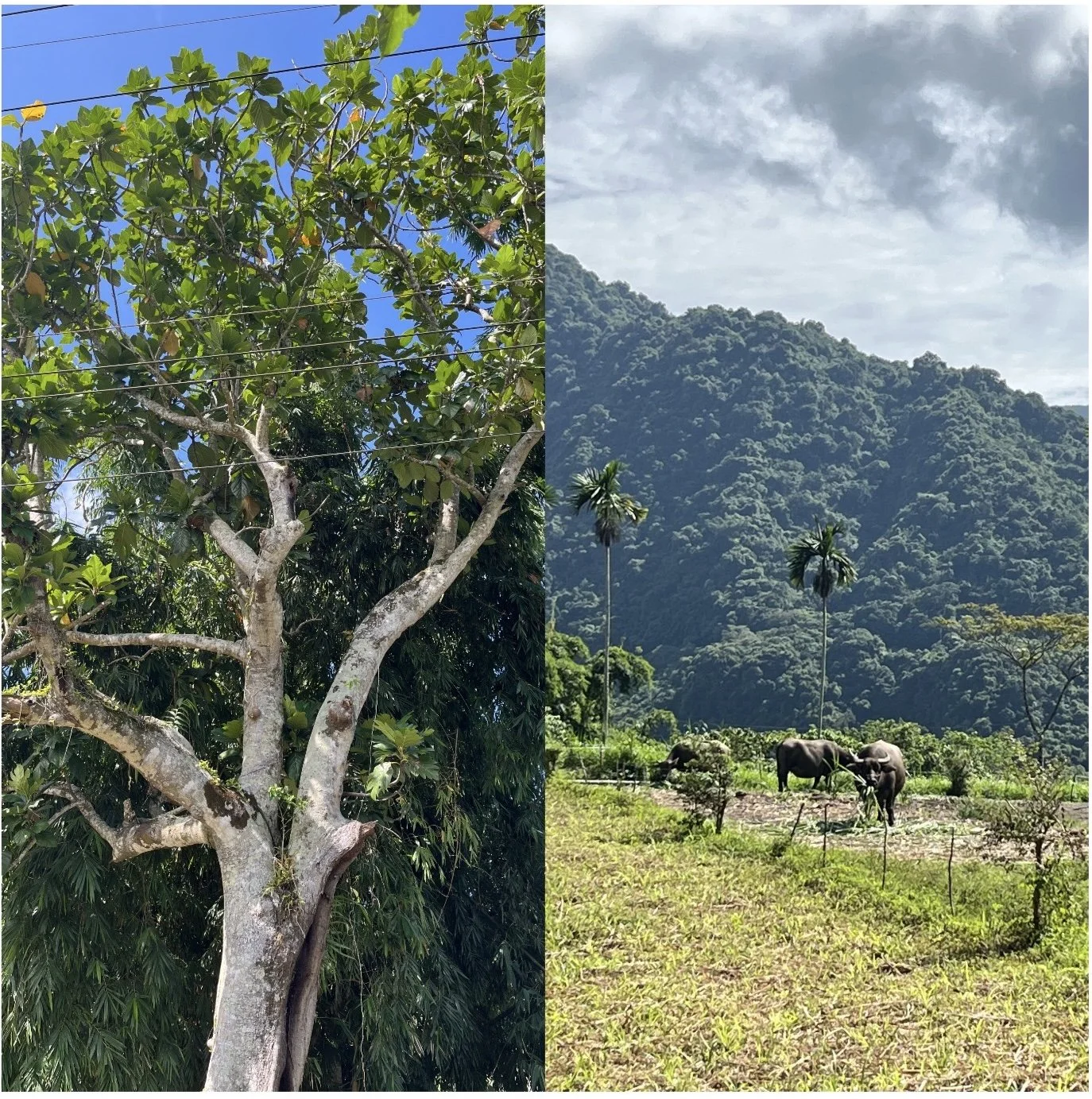
Kiwit tribe is one of the most authentic tribe that keeps the most complete tradition in Taiwan.
The herbal bath tradition is its most intimate expression. Farmers and field workers came home carrying exhaustion in their bodies. Mothers would gather wild plants, boil them into herb-water, and place the pot beneath a wooden chair. The tired family member sat above it, wrapped in thick blankets, as steam rose from below — pressing sweat from the pores, coaxing fatigue out through the skin. The same plants also worked from within, decocted into warming broths to ward off colds through the mountain winters.
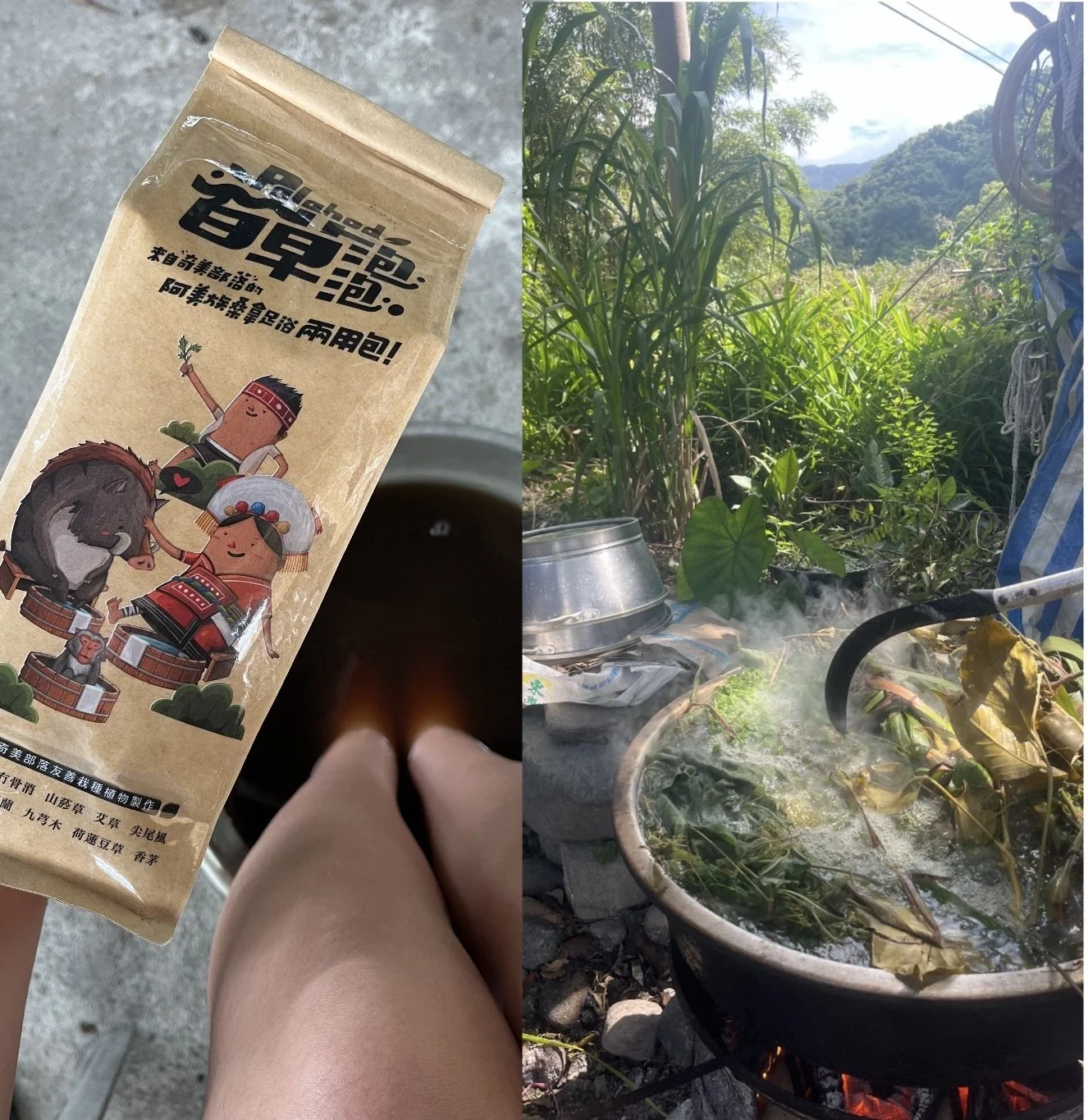
The natural herbal bath pack only priced USD$10~ !!!
Today that wisdom is available in tangible form. Kiwit sells dried herbal bath packs and handmade dumplings stuffed with wild vegetables: wild prickly ash, water celery, edible fern, edamame. Every bite carries the flavor of a specific ecology and a specific accumulated intelligence about what the land provides.
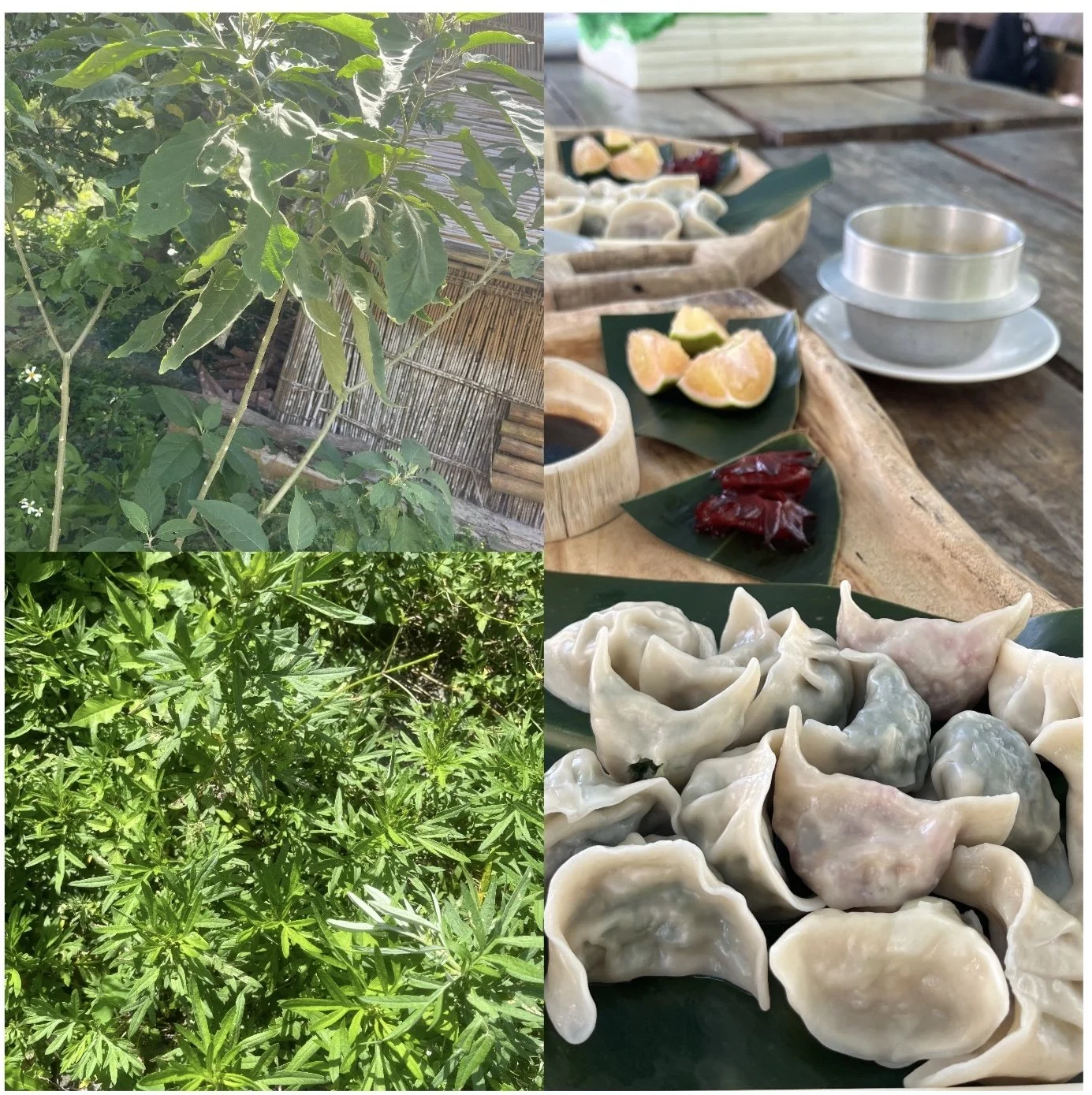
The wild herbal dumplings are made from the various seasonal herbals. Yummy and afordable!!!
The Indigenous Wild Vegetable Center
Wu Xue-yue runs a wild vegetable center and teaches something that sounds simple but cuts deep: gathering is not plundering. "The land gives us what it gives us. We eat what is offered."
Indigenous children are taught never to pull a plant out by the roots — instead, harvest regularly and lightly, the way a forester thins a stand of trees. The village had no refrigerator; you gathered what you needed today and came back tomorrow. The plant remained. The knowledge remained. The relationship remained.
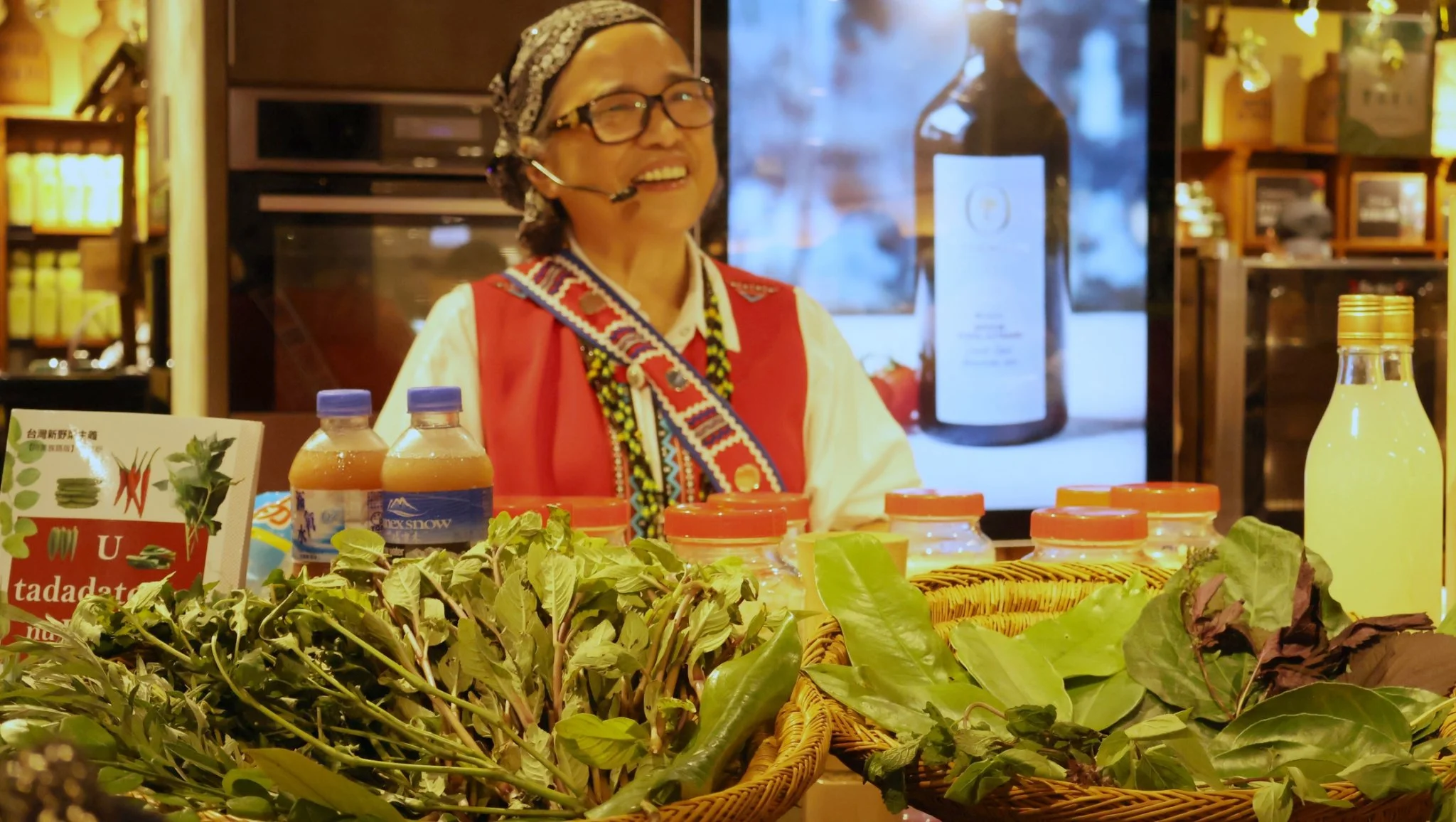
Wu Xue-yue promotes wild vegetable through book writing and workshops.
The Wine Underground
Taiwan banned indigenous peoples from brewing alcohol in 1957. But millet wine was never merely a drink — it was a ritual object, offered at ceremonies to thank the ancestors for a year of abundance. Wu recalls discovering, as a child, ceramic wine jars hidden under her grandparents' bed, wrapped in cotton. The jars held wine. A culture's most sacred practice, surviving in secrecy.
The keys to indigenous brewing are four: water, fermentation starter, time, and hand temperature. The fermentation starter itself is botanical — each tribe uses different native plants: mugwort, mint, prickly ash, orange leaf, wild persimmon, betel palm. Original-variety plants only; hybrids won't do. Each combination produces a different fermentation profile. Some wines carry the scent of tropical fruit. Others smell of meadow flowers.
Brewing also carries ceremonial rules: maintain good intentions; certain conditions call for stepping back from the process. The underlying message is consistent — the process is alive, and it asks for respect.
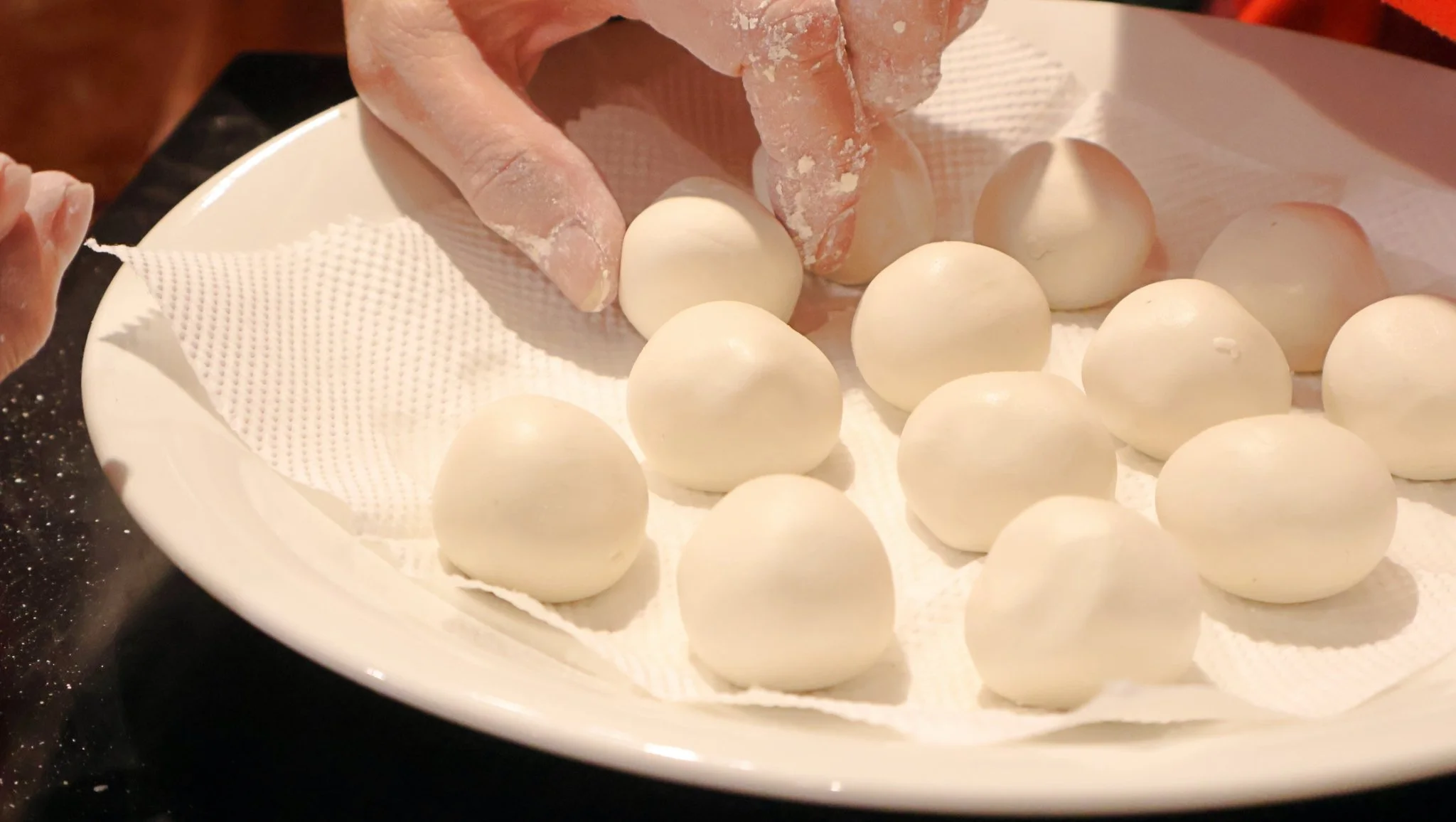
The fermentation starter requires starch, fresh juice from the mixed herbals and ferment for at least 3 days.
A Deeper Tasting
Tasting indigenous millet wine or sitting in a wild-herb steam bath is not unlike cupping a rare high-mountain oolong. The flavors encode a place, a season, a set of decisions made by people who knew their land intimately. You are tasting accumulated intelligence.
In Kiwit village and in schools like Wu's, this knowledge is not a relic — it is a curriculum being taught, recovered, and extended. It is one of the deepest courses Taiwan has to offer. And like the best teas, it rewards the student who slows down, pays attention, and comes back for more.
Written & Photography by: The T Scout©
