Taiwan's Wood Culture
From century-old cypress forests to urban weekend markets —
Over 60% Land is mountainous / 268 Peaks over 3,000m / 50+ Wood brands at Forest Market
Taiwan's relationship with wood and mountain is deeper than most visitors realize.
Taiwan is famous for tea, night markets, and bubble milk tea. But tucked beneath those headline attractions is something quieter and just as compelling: a profound, centuries-old relationship with its FORESTS. If you're visiting Taiwan, the mountains are calling. Here's where to start:
More than 2/3 of Taiwan's land is mountainous
36,000km² of high-mountain terrain — the densest high-altitude concentration in the tropics
2,451mpeak elevation of the Alishan Forest Railway — highest narrow-gauge line in Asia
That compression of altitude creates an extraordinary range of forest ecosystems, and everything that grows in them carries that density of place: cypress that smells like nowhere else, honey gathered from wild flowers tastes distinct, essential oils pressed from endemic species brings you relaxation…
Where Wood Culture Comes Alive
Until about ten years ago, Taiwan's forests were something most people kept at a reverent distance. The cultural instinct was protective — rooted in a genuine sense that the forest must not be touched. That instinct came from hard experience.
The Japanese colonial administration had built railways like the Alishan line specifically to extract cypress and cedar at scale. For decades after, logging remained the dominant relationship between the island and its mountain forests. When that era finally ended — logging was banned in the late 1980s — there was a bit overcorrection: the forest became a place you admired from the outside rather than one you entered and engaged with.
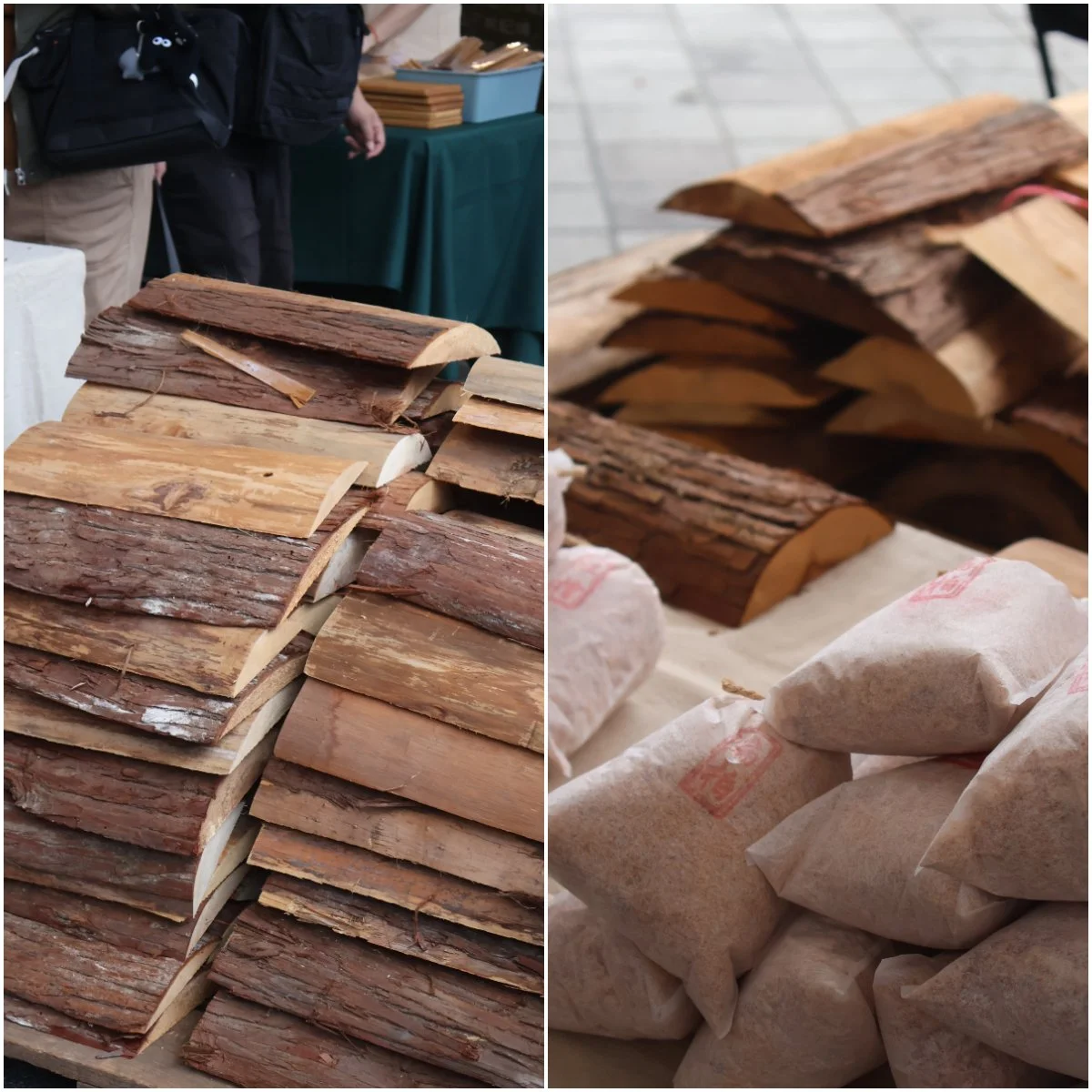
At the Forest Market, even the wood is fresh. Raw timber slices and cedar sachet bags let you carry the scent of the forest home.
Forestry and Nature Conservation Agency's pivot toward conservation created the opening. The locally grown plantation wood were finally be certified and available by the industry, with lower footprint; the policy of "understory economy" generated economic value from forests without felling trees — through mushroom cultivation, native plant collection, eco-tourism, and forest-derived craft goods like honey, essential oils, and botanical extracts.
And these all became the best souvenir you didn't know to look for. Thus, the Forest Market appeared.
It has been the Taiwan's largest annual wood culture event for 9 years — bringing together over 50 brands specializing in domestic timber, bamboo crafts, and forest-floor goods such as forest honey, wood essential oils, and understory botanicals. If you miss the weekend, there’s online shop available. Or simply find the visitor center when you’re up in the national forest parks.
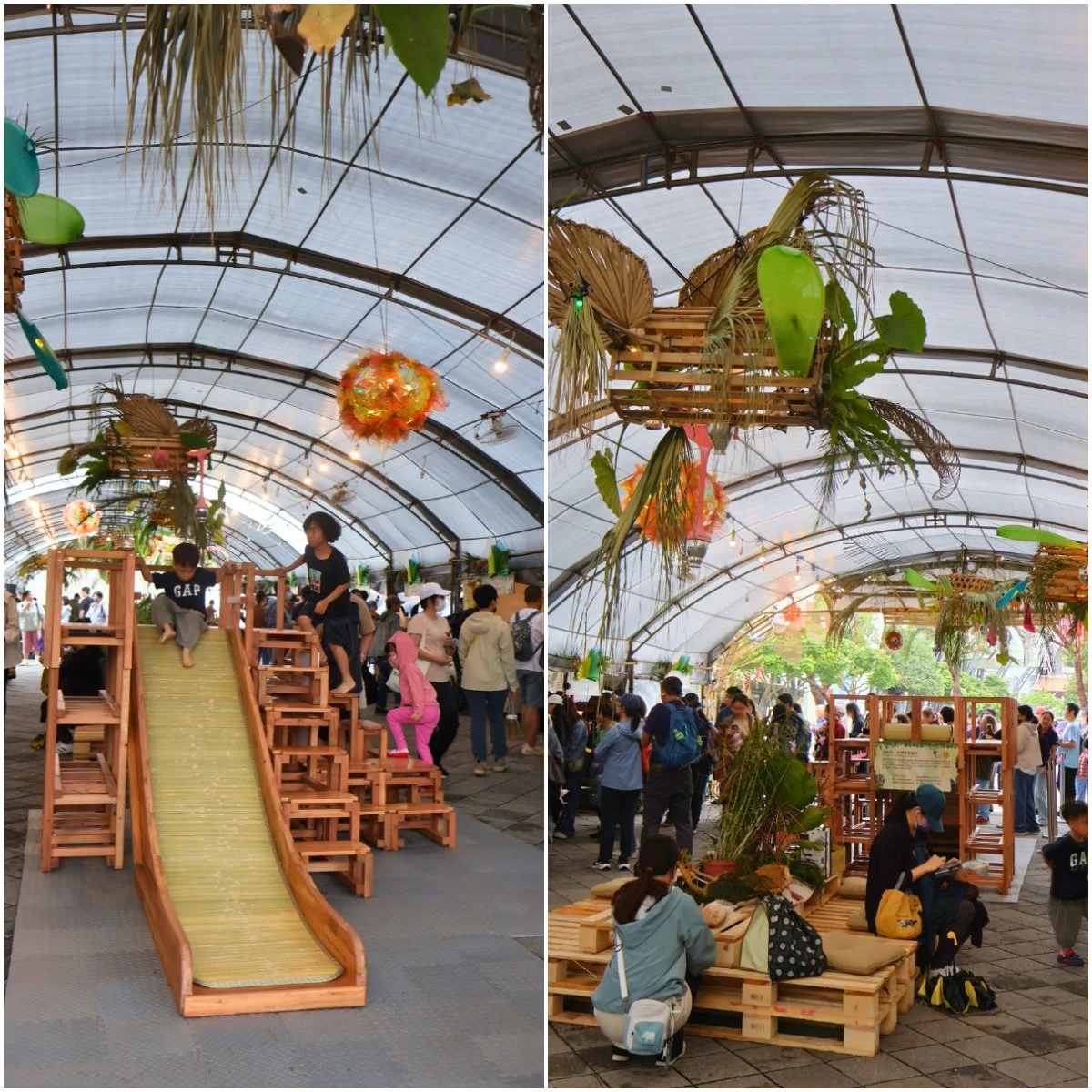
Designed around Taiwan's endemic plant species, the market finds something for everyone — from toddlers to grandparents.
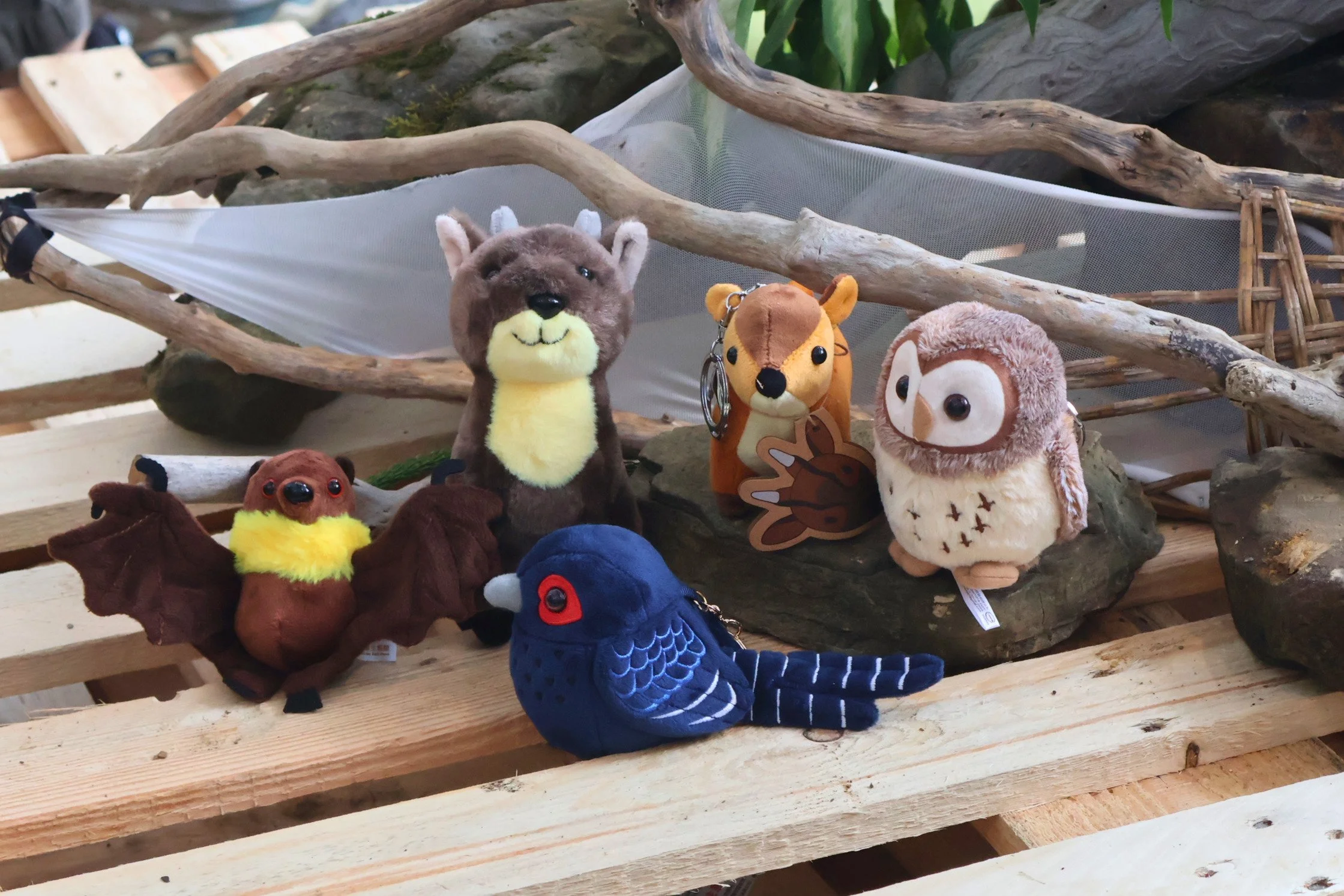
Taiwan's protected wildlife reimagined as plush toys — quietly educational, openly irresistible.
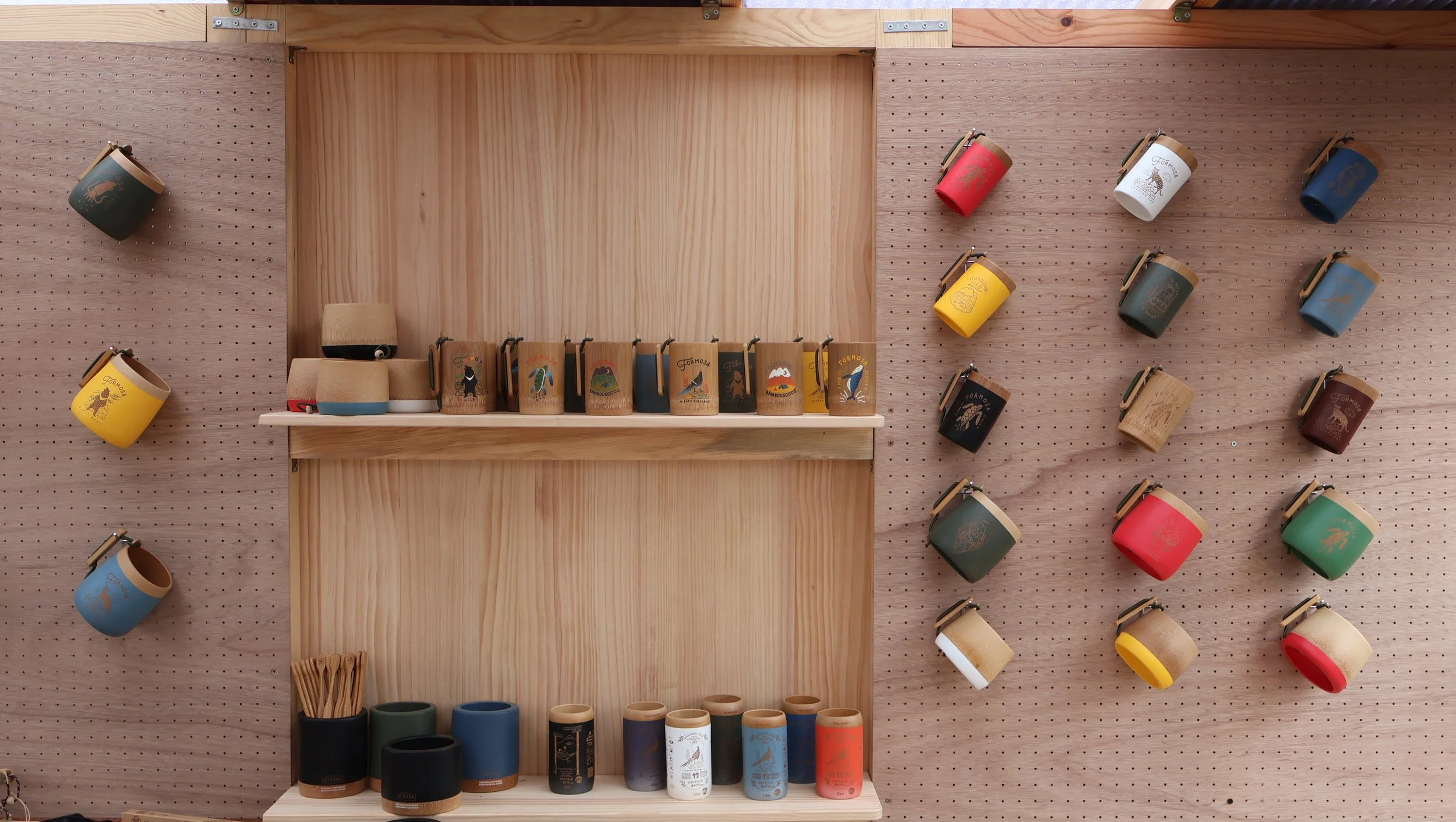
Cups, toothbrushes, and everyday goods made from Taiwanese bamboo — proof that sustainable materials don't have to compromise on feel or function.
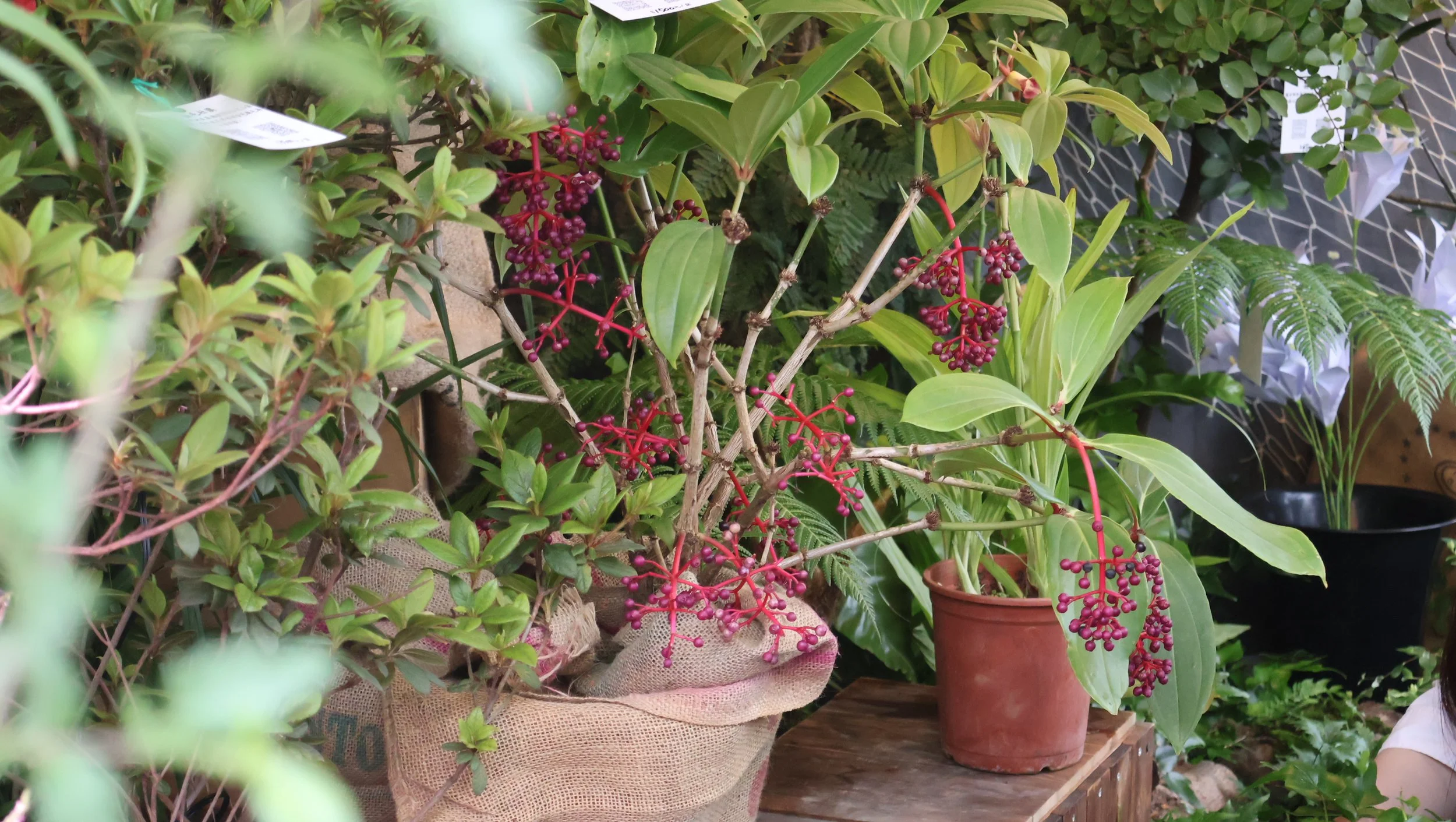
Want to bring a piece of Taiwan's mountains home? Native plant stalls sell potted endemic species — a small act of conservation that starts on your windowsill.
Alishan Forest Railway, What’s So Special ?
Originally built in 1912 during the Japanese colonial era to transport cypress and Taiwania timber from Chiayi County's mountains, the Alishan Forest Railway was never designed for tourism. That it became one of Asia's most beloved train journeys is a happy accident of history.
The railway passes through three distinct climate zones — tropical, subtropical, and temperate — climbing from sea-level Chiayi City to Alishan at 2,216 meters. In July 2024, the full main line reopened after sections had been closed for nearly 15 years following typhoon damage. The demand has been extraordinary: tickets sell out within seconds of release on the official booking site.
The best intermediate stop is Fenqihu Station at 1,403m, where an old street of wooden craft and food shops makes a worthy destination on its own. Higher up, ancient cypress groves and sea-of-clouds sunrises remind you why this railway was worth restoring.
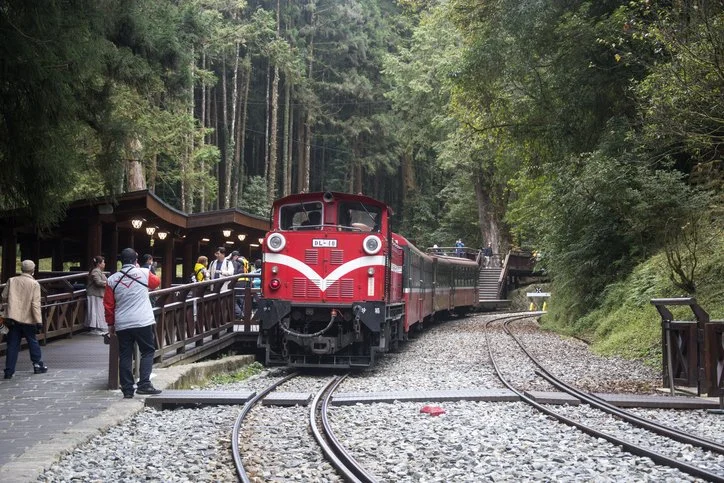
The well-known Alishan forest railway!
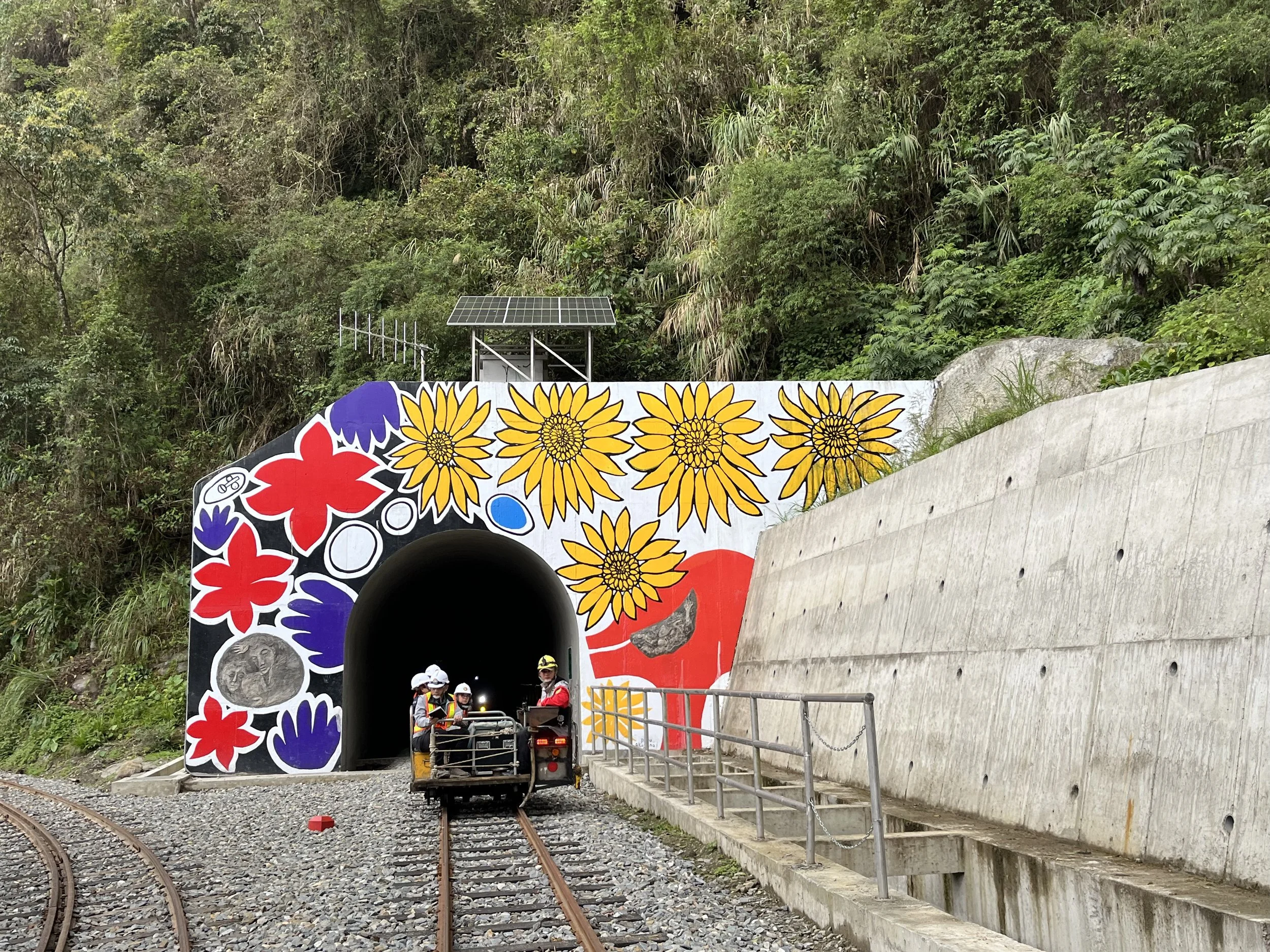
Many sections of the Alishan Railway have been damaged by typhoons and painstakingly rebuilt over years. Ride it with appreciation — for the scenery, and for the workers who keep it running.
A Timber Past, A Design Future
If you don’t have time for Alishan, and you miss the weekend market. There’s still a place for you to reach the Taiwanese woodworks - 0km! It is the world’s only Taiwan mountain lifestyle concept store, from select shop to cafe, right the heart of Taipei!
The name means "zero kilometers" — a deliberate statement about bringing the mountain to the city. The garden is well-designed by four landscaped zones (including a multi-layered forest zone and a Japanese-style inner garden) showcase endangered plants in partnership with Taiwan's forestry research institutions.
Inside, expect curated mountain gear, forest-scented goods, endemic plant specimens, and Coffee Law — a café that draws long queues on weekdays, longer on weekends. It opened in March 2024 and immediately became one of Taipei's most visited new destinations.
For a visitor, the invitation is simple: engage with the forest. Taiwan's mountains have been waiting a long time to be appreciated for what they give rather than what they yield.
0km
https://share.google/HJ9WT7o51bxBk39ZW
Open everyday 11 AM–7 PM

The Mikado Pheasant lives above 1,800 meters and graces Taiwan's NT$1,000 bill — the mountains' most distinguished resident, and one of its most fiercely protected.
Written & Photography by: The T Scout©
