Nangang · Michelin Restaurant with Baozong Tea
Natural Tea Manor received Michelin Selected status in 2025.
Discover the fragrant birthplace of legendary Baozhong tea just 10 minutes away from Nangang MRT.
For the thousands of international traders and MICE industry professionals arriving at the Taipei Nangang Exhibition Center, the landscape usually consists of skyscrapers and high-tech booths. You might spend your days in back-to-back meetings and your nights in luxury hotels, never realizing that a verdant escape—and a world-class culinary destination—is hidden just across the river.
Less than six kilometers from the heart of the business district lies the most accessible tea-growing region to Taipei. It is the legendary birthplace of Baozhong Tea. If you are looking for a break from the "hustle," take a quick 10-minute taxi ride from Nangang MRT Station. You will find yourself transported from a concrete jungle to a misty mountain sanctuary that recently earned a spot in the 2025 Michelin Guide.
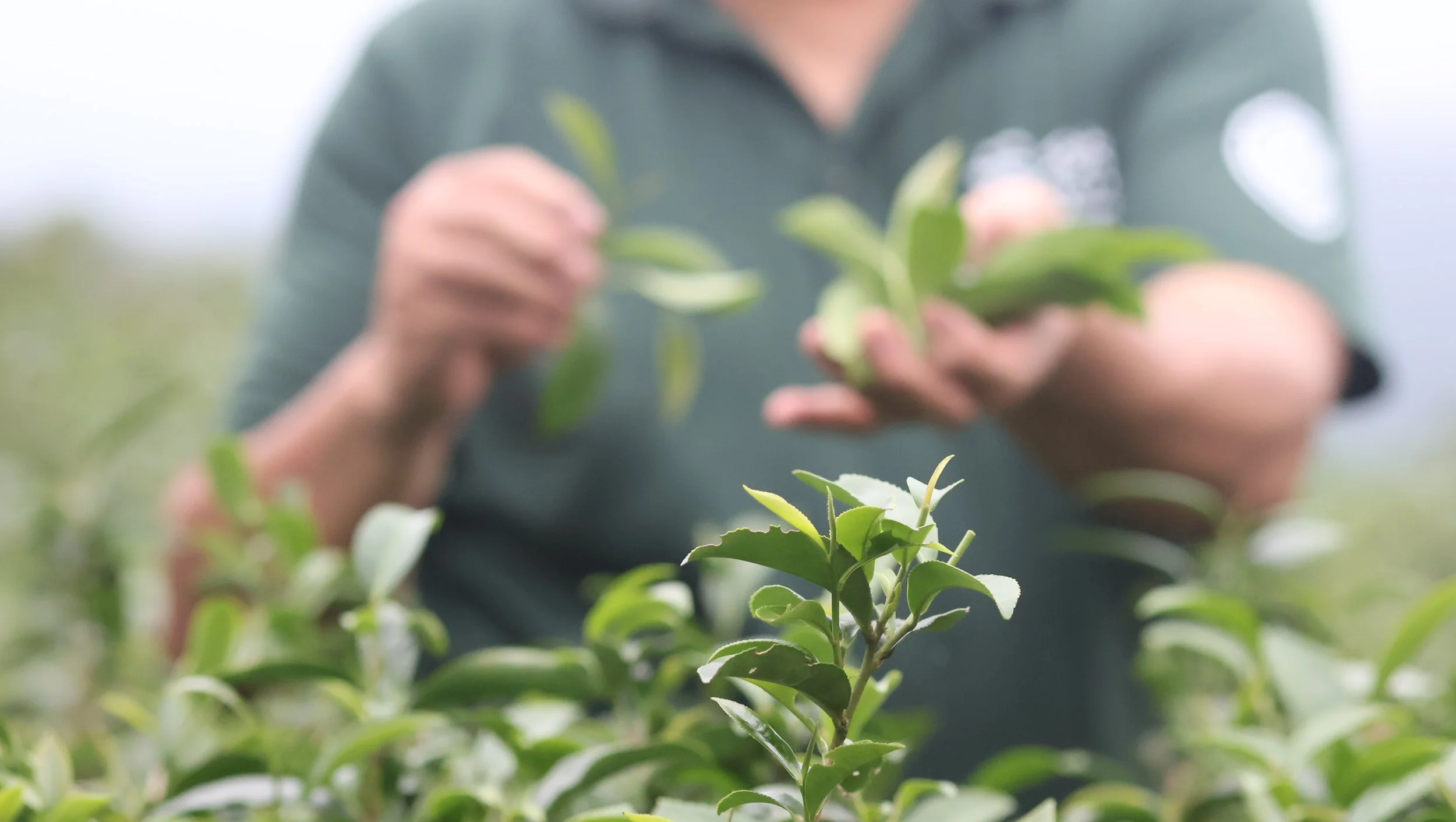
Jin Xuan species is disease and pest resistant, and strong against environmental stress
The Fragrance of Spring
For those unfamiliar with Taiwanese tea culture, Baozhong is often described as "Spring in a Cup." Unlike some teas that rely on added flavorings, Baozhong is pure. Through masterful oxidation, the leaves naturally release a heady, floral aroma. It doesn't just taste like tea; it tastes like a blooming garden.
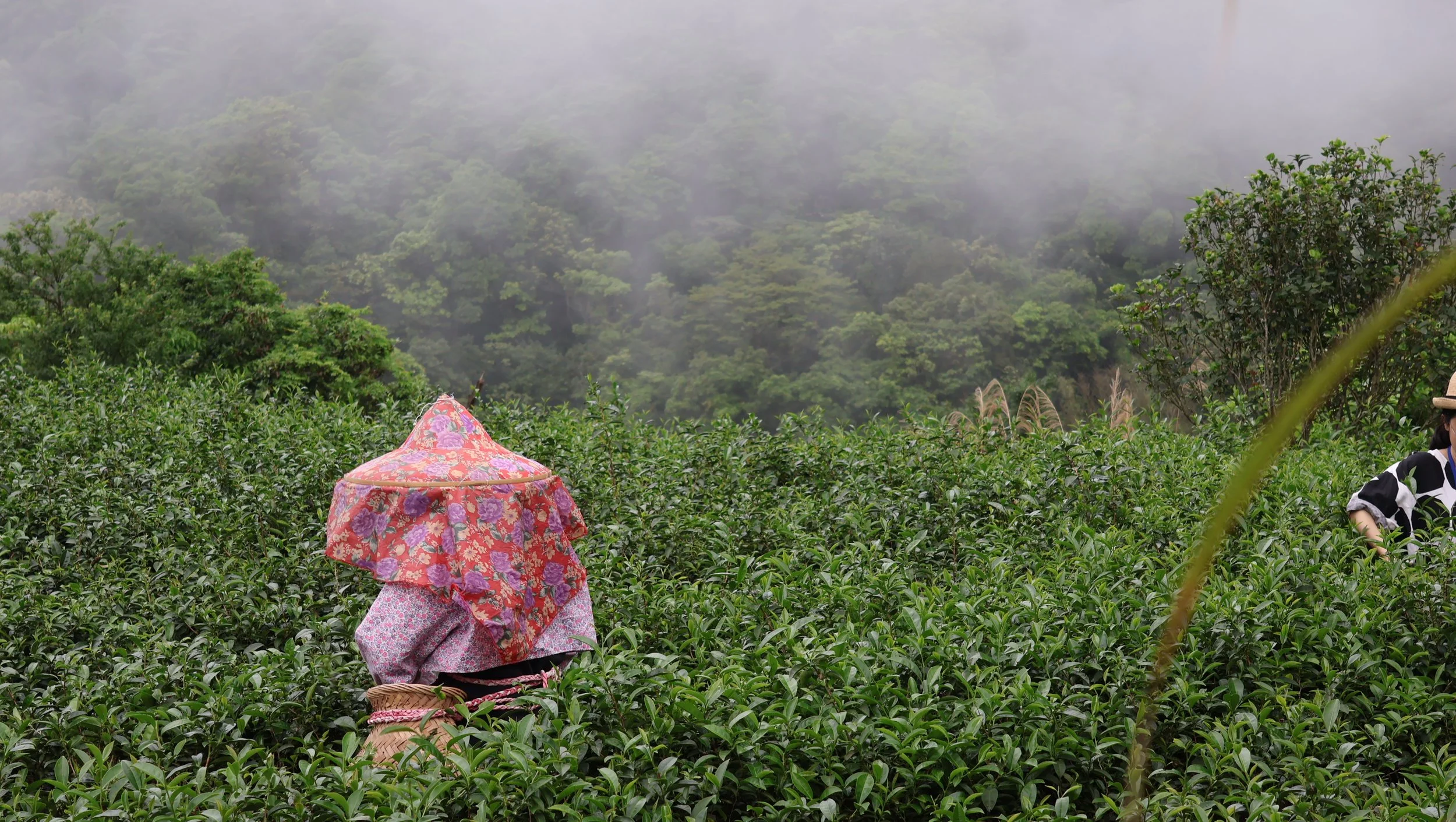
The mountain mist — a microclimate born of valley humidity and sharp day-night temperature swings, giving the tea bushes cool, moisture-rich growing conditions.
There is one vital rule for Baozhong tea: Consume it as soon as possible. Unlike aged teas that get better with decades, the magic of Baozhong lies in its volatile floral aroma. Like a fresh-cut flower, that scent will begin to fade over time.
While many associate Taiwan’s tea with the high mountains of Alishan, most of Baozhong tea resides in Pinglin Area. In the late 19th century, during the Qing Dynasty, pioneers Wang Shui-Jin and Wei Jing introduced specialized techniques in Taiwan, teaching local farmers how to capture the "natural flower and fruit" notes that would eventually make Taiwanese tea world-famous.
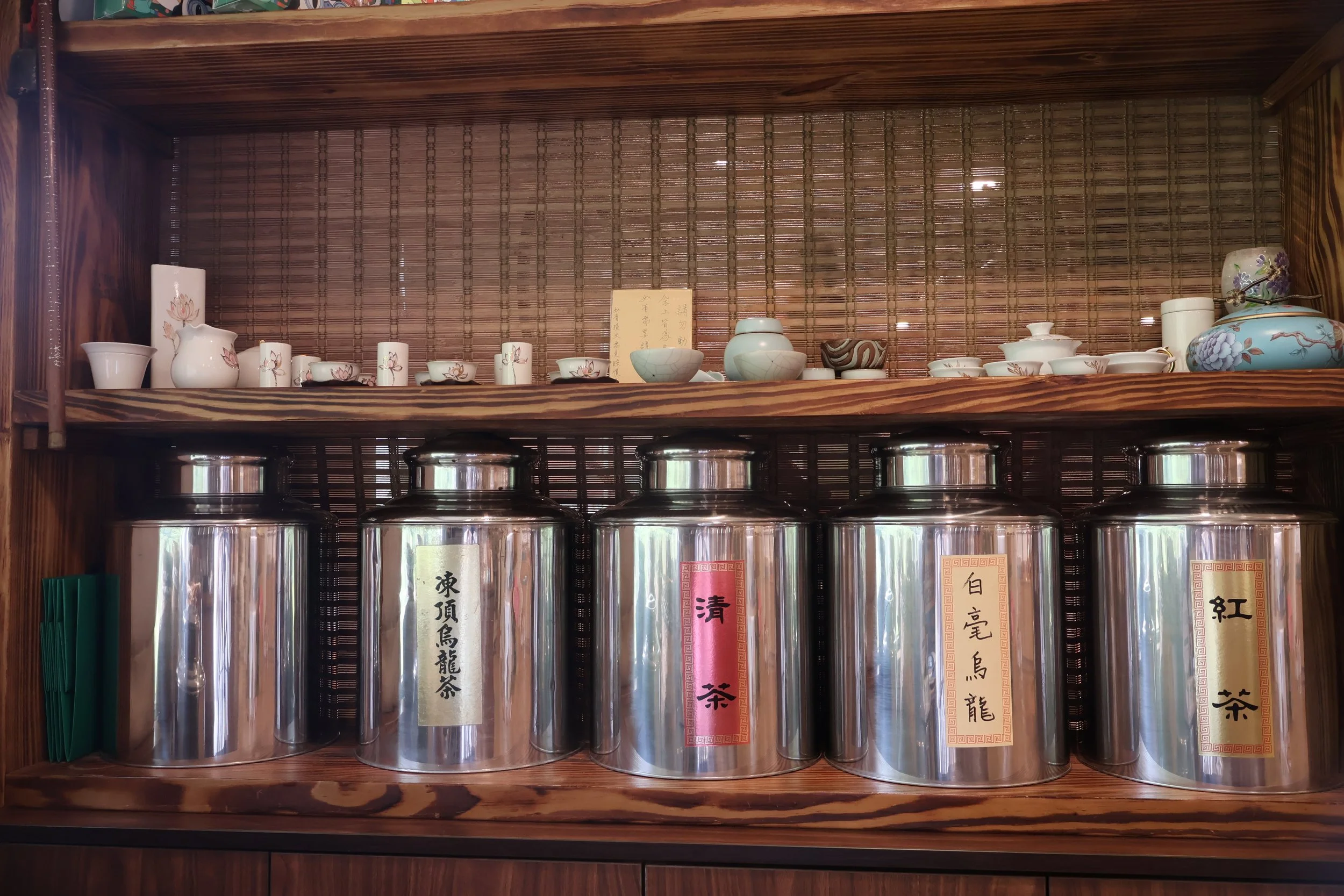
From Humble Roots to Michelin Stars
The fourth-generation tea master Cai Xu-Zhi is the legend in tea industry. He transformed the 100+ year old tea farm into an organic one; he implemented digitalization to farm management; He upgraded tea industry to the sixth industry. In 2025, the restaurant achieved Michelin Selected status, a prestigious recognition that has turned this "insider secret" into a must-visit destination for global foodies.
Cai is a unique breed of artisan—a champion tea maker, a model farmer, and a professional chef all rolled into one. Despite the accolades, the restaurant maintains a warm, grounded atmosphere that reflects its history.
The Origin of Organic Wisdom
One of the most charming aspects of Natural Tea Manor is its commitment to the environment. Long before "organic" and "sustainability" were buzzwords, the Cai family was already practicing eco-friendly farming.
When asked about their transition to organic methods, Cai often tells a story with a cheeky grin: "People ask me about our philosophy, and I have to tell them the truth about my father. My dad used to joke that we went organic because he was tired! He said the pesticide tanks were just too heavy to carry up the mountain, so he decided we should just let the tea grow naturally."
That humorous spark of "laziness" evolved into a sophisticated "Sod Culture" system. Today, they allow grass and tea trees to coexist, using the weeds' roots to naturally aerate the soil. They even repurpose discarded coffee burlap sacks as natural mulch. To ensure quality, Cai has integrated Smart Farming technology, using micro-weather stations and soil sensors to monitor his crops via smartphone—ensuring the tea is protected from the harsh sun and climate change.
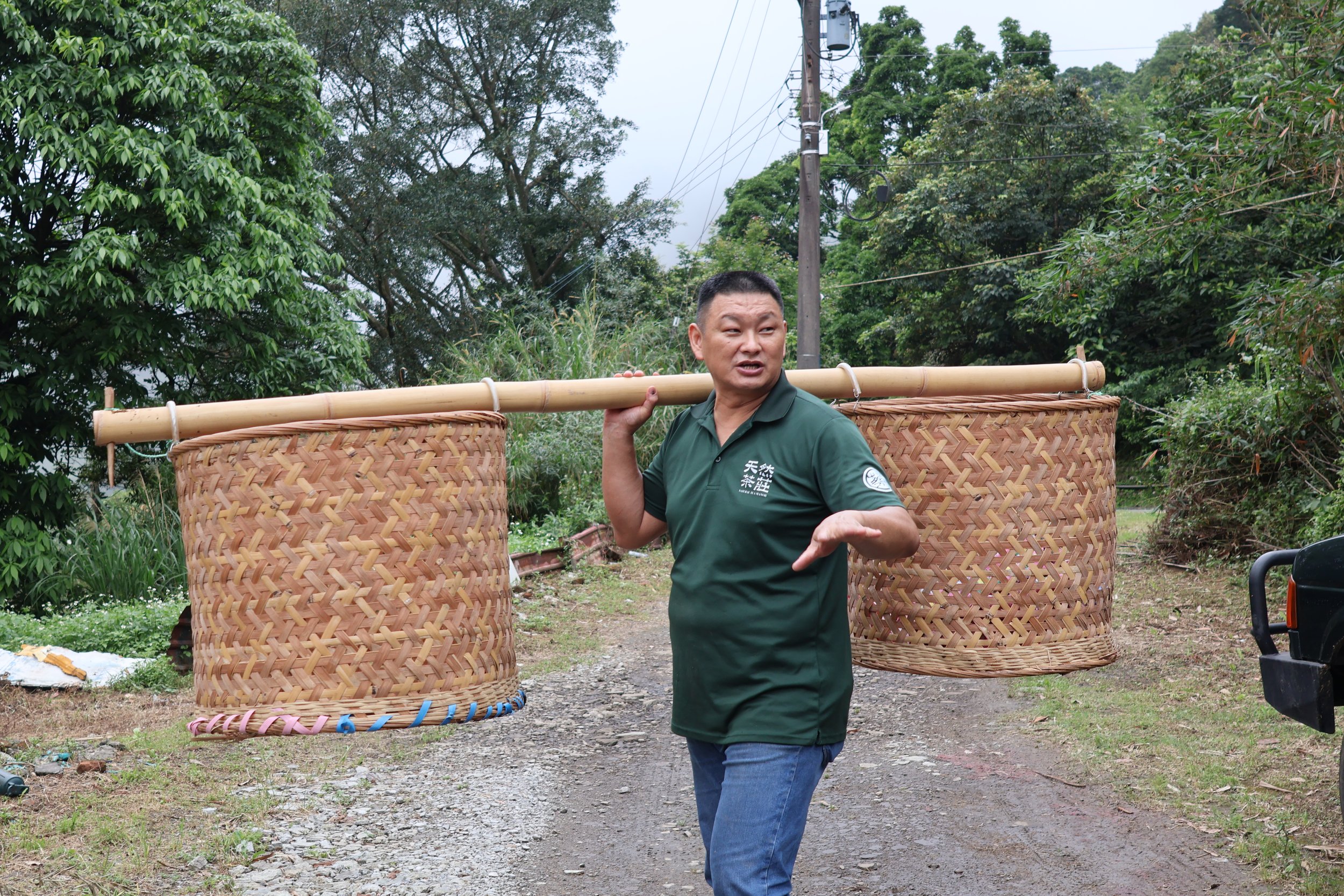
Cai Xu-Zhi demonstrated the arduous journey, how elders carrying tea to the port.
A Michelin-Selected Culinary Journey
Chef Cai’s menu is a tribute to the tea-picking culture of old Taipei, elevated with modern finesse. Here are my recommendations:
Tea Picker’s Rice: This is the soul food indeed. Historically served to hungry neighbors who helped with the harvest, this dish features savory minced pork and braised eggs. If you put braised pork rice as your must-eat item during this Taiwan trip, come here to try theirs.
Tea Gua-bao (Taiwanese steamed bun) : by blending Baochong tea powder directly into the dough, giving the bun a distinctive tea aroma, while filling the signature braised pork belly, slow-cooked with Tieguanyin oolong tea to provide a deep, complex flavor. Bravo! Mamma Mia!
Baozhong Tea Oil Noodles: A visually stunning dish where the noodles are coated in a bright, golden-green tea oil. The flavor is clean, silky, and carries a subtle nutty sweetness.
Traditional Wild Greens: Don't miss the "Stir-fried Taro Stems," a rare, old-fashioned vegetable dish that is nearly impossible to find in the city’s modern bistros.
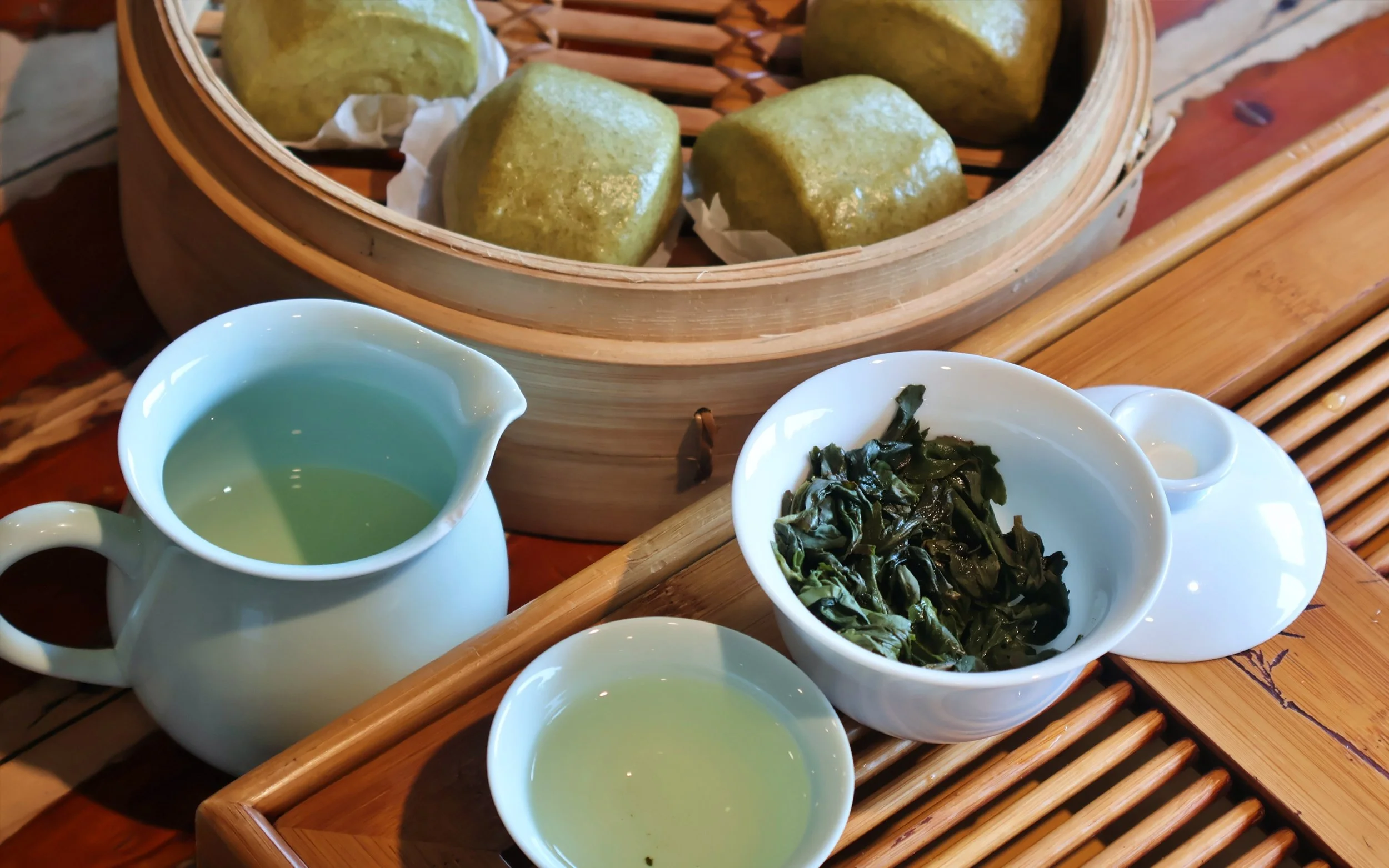
The tea buns are the excellent pair with the Baozhong tea.
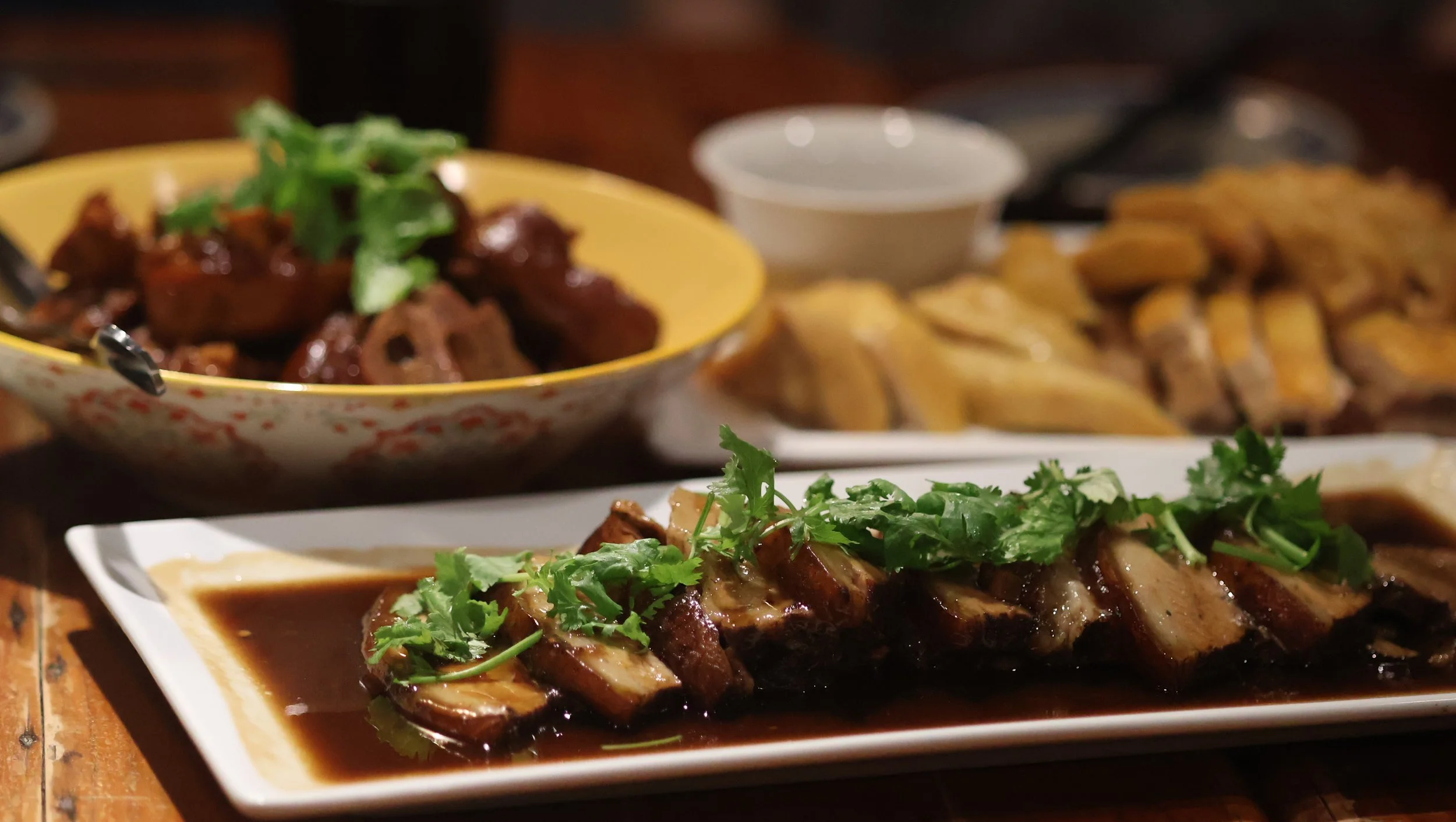
The braised pork rice is the soul food of Taiwanese cuisine.
I say that Baozhong teaches us a beautiful life lesson: seize the moment. You cannot store the scent of spring forever; you must drink it, enjoy it, and share it while it is fresh —a perfect philosophy for any traveler.
FAQ
What is Baozhong Tea?
→ Baozhong is the most lightly oxidised member of Taiwan's oolong family — oxidised only 8 to 15 percent. The liquor is nearly transparent, yet the floral fragrance is surprisingly intense. That fragrance isn't added or blended in; it rises naturally from the leaf during the withering process.Why does Baozhong represent the flavour of spring?
→ The cool temperatures, high humidity, and diffused light of spring produce the fullest floral note and the most delicate finish. Those who know tea well say that drinking a fresh-season Baozhong is drinking the whole of spring compressed into a single cup — it cannot be stored, cannot be delayed. Enjoy it while it is alive.Why does Natural Tea Manor earn a Michelin Guide selection?
→ The organic tea grows goes directly from the farm into the kitchen. More than half the ingredients on the menu are traceable to their source. What the Michelin inspectors recognised was a complete philosophy — from soil to table, with nothing lost along the way.How to reach Natural Tea Manor?
→ From Nangang MRT Station, a taxi takes approximately 10 minutes and costs under NT$200. Reservations are strongly recommended — and essential during spring harvest season.
Written & Photography by: The T Scout 2026© All rights reserved.
