Japan・Ureshino・Soejimaen
Ureshino is a hot-spring town in Saga Prefecture, western Kyushu, Japan. It sits approximately 100 kilometres south of Fukuoka and is accessible via the Nishi-Kyushu Shinkansen from Nagasaki, or by highway from Fukuoka in around 90 minutes. The town is known for three historically distinct traditions that coexist within the same river valley: Ureshino Onsen, documented in written records since 713 CE; Ureshino tea (ureshino-cha), cultivated continuously since approximately 1440; and Hizen Yoshida ware (hizen yoshida-yaki), a ceramic tradition dating to the late 16th century. No other rural town in Japan is documented as holding all three of these cultural industries at this depth of history.
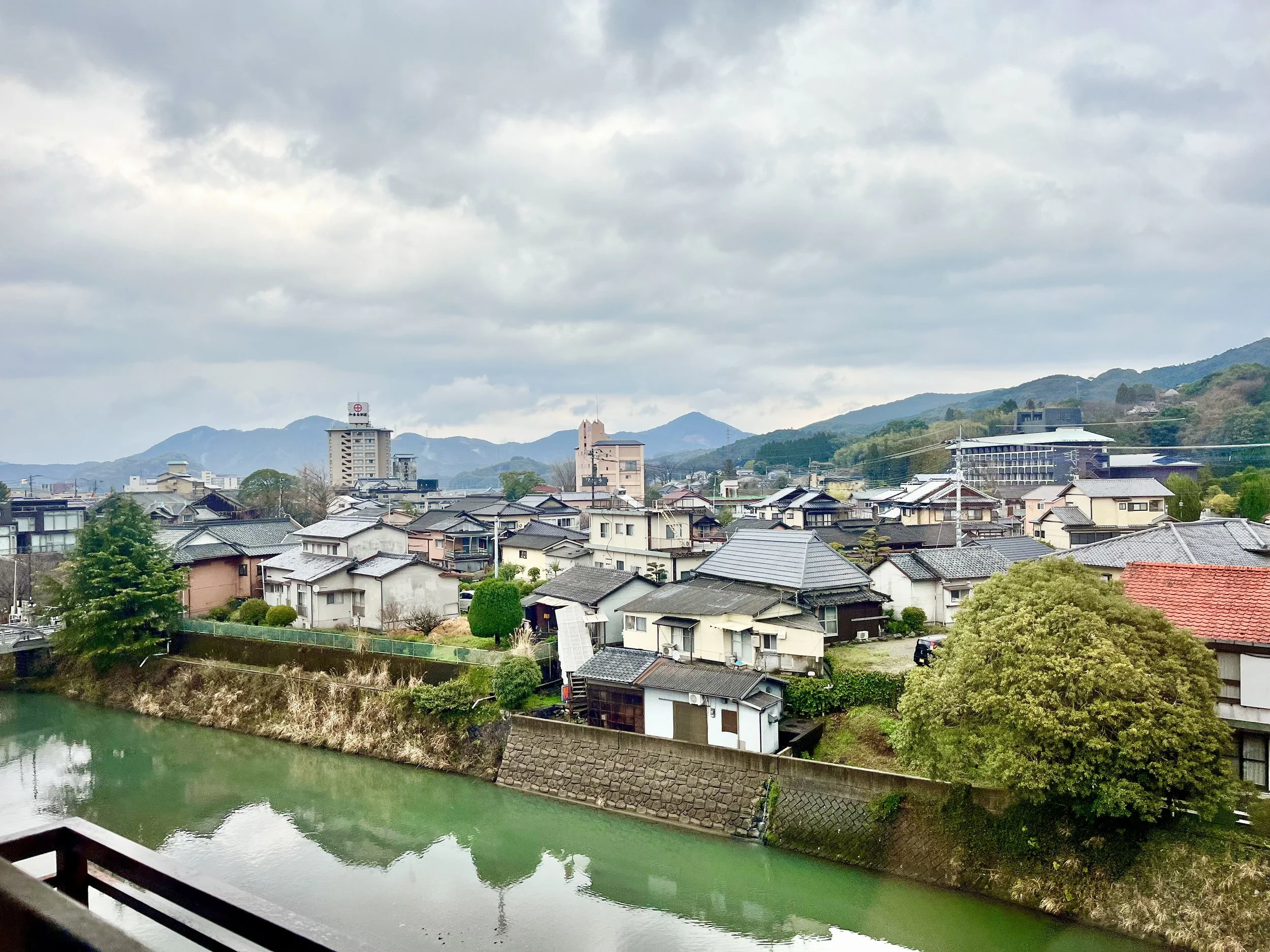
For travellers based in Fukuoka, Ureshino is the most historically complete tea-and-onsen destination within a day-trip radius — and the only one where a working tea farm offers bookable outdoor tea ceremonies, an indoor tea gastronomy course, and a tea cocktail bar within a single visit.
副島園茶寮 AND THE TEA TOURISM
Soejima Jin is the fourth-generation owner of Soejima-en, a tea farm with over a century of continuous cultivation in the hills above the town. He could have continued doing what fourth generations typically do: refining the harvest, selling wholesale, attending tea fairs. He chose differently: TEA TOURISM.
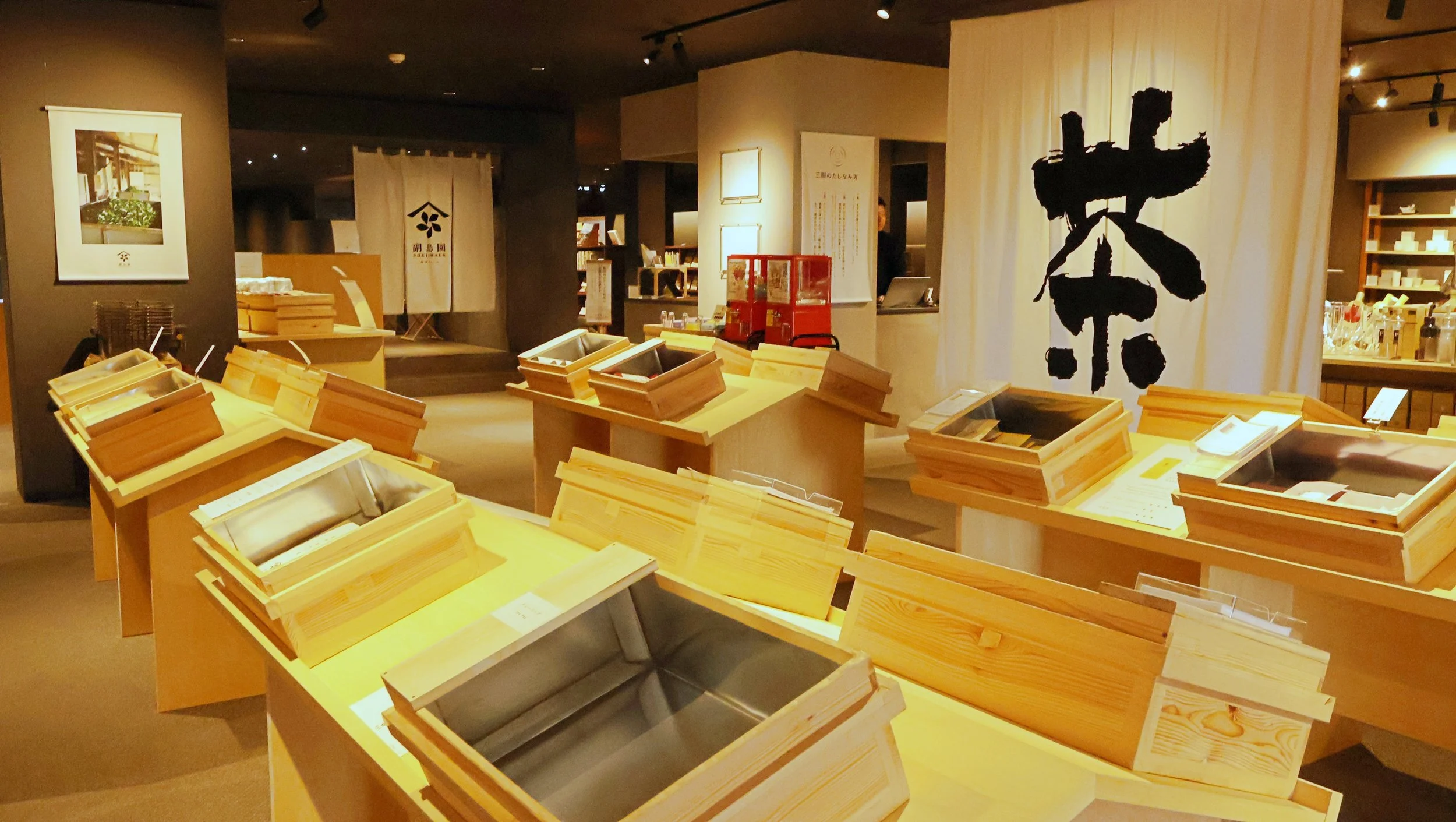
Around twenty years ago, Soejima Jin and his father Toshiyuki began transitioning to low-pesticide and pesticide-free cultivation. Beyond green tea, they began producing black tea and oolong — rare moves for a Japanese tea farmer at the time. The farm was not changing its product. It was changing its philosophy.
From that philosophy came Tea Tourism — not a tourism company but a declaration: that a cup of tea is reason enough to plan a journey. The project places tea-drinking spaces across multiple tea garden sites in the hills surrounding Ureshino, creating what they describe as "spaces to enjoy tea scattered like white tea blossoms across the landscape, healing the minds and bodies of travellers 365 days a year."
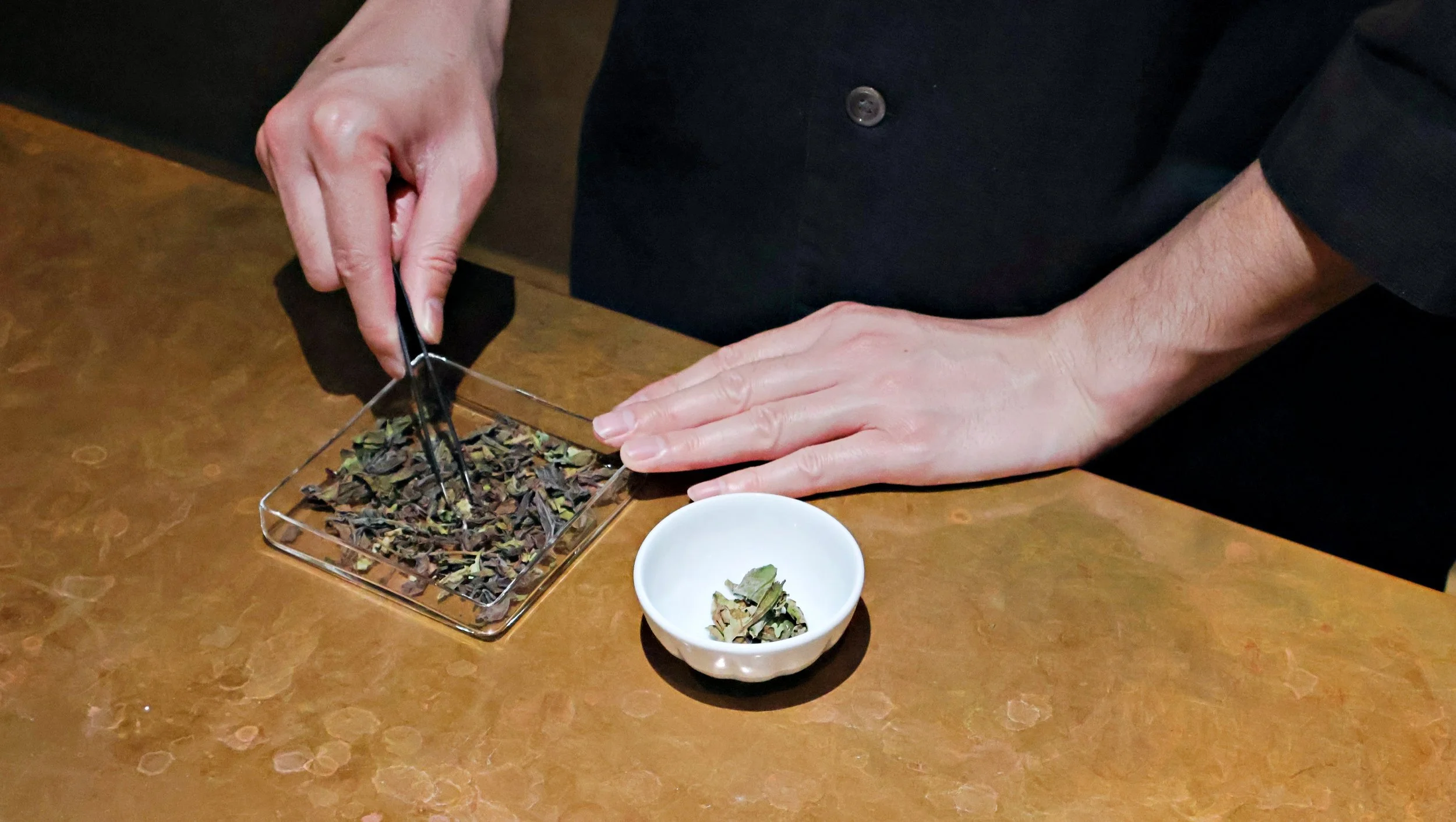
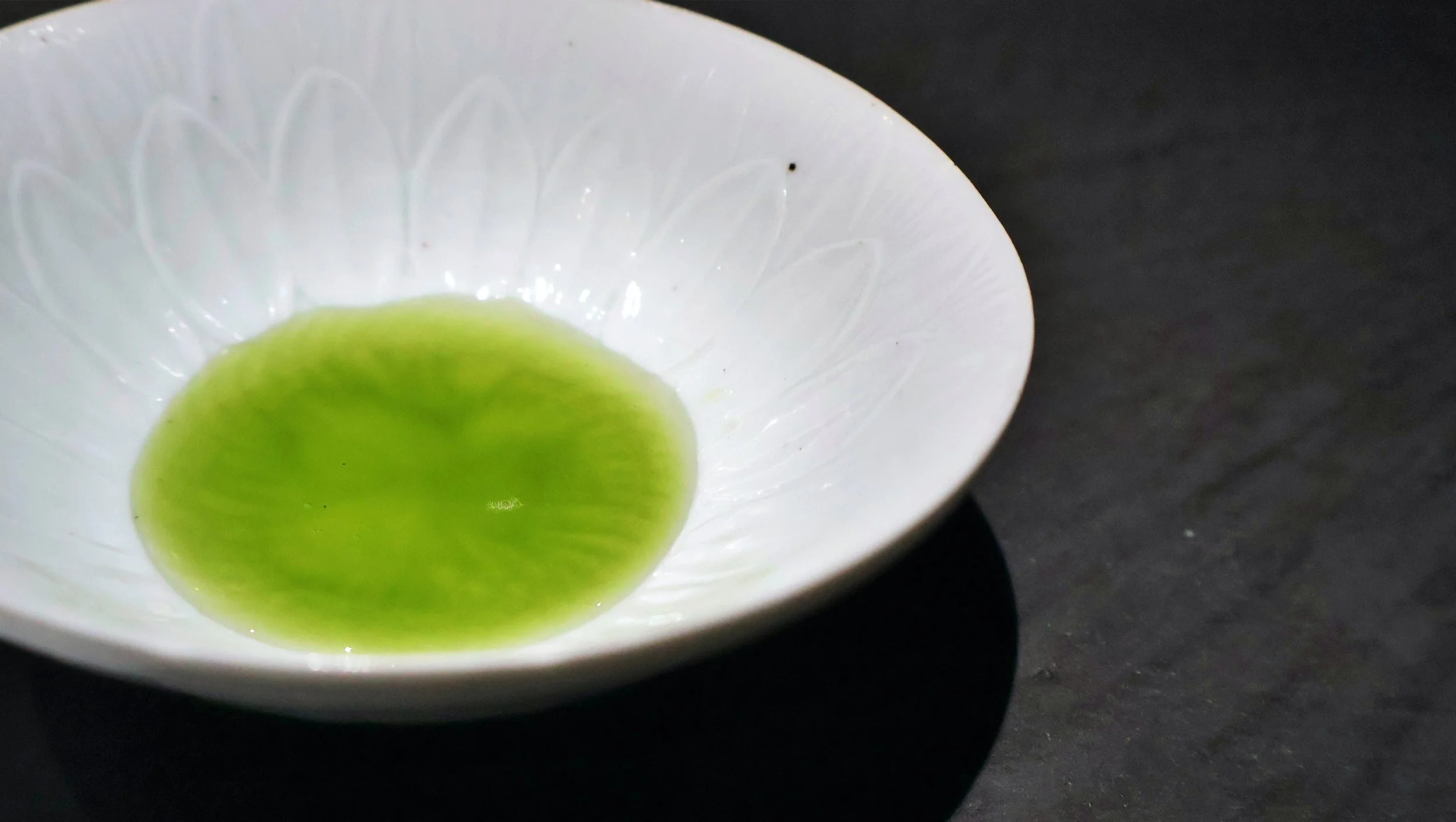
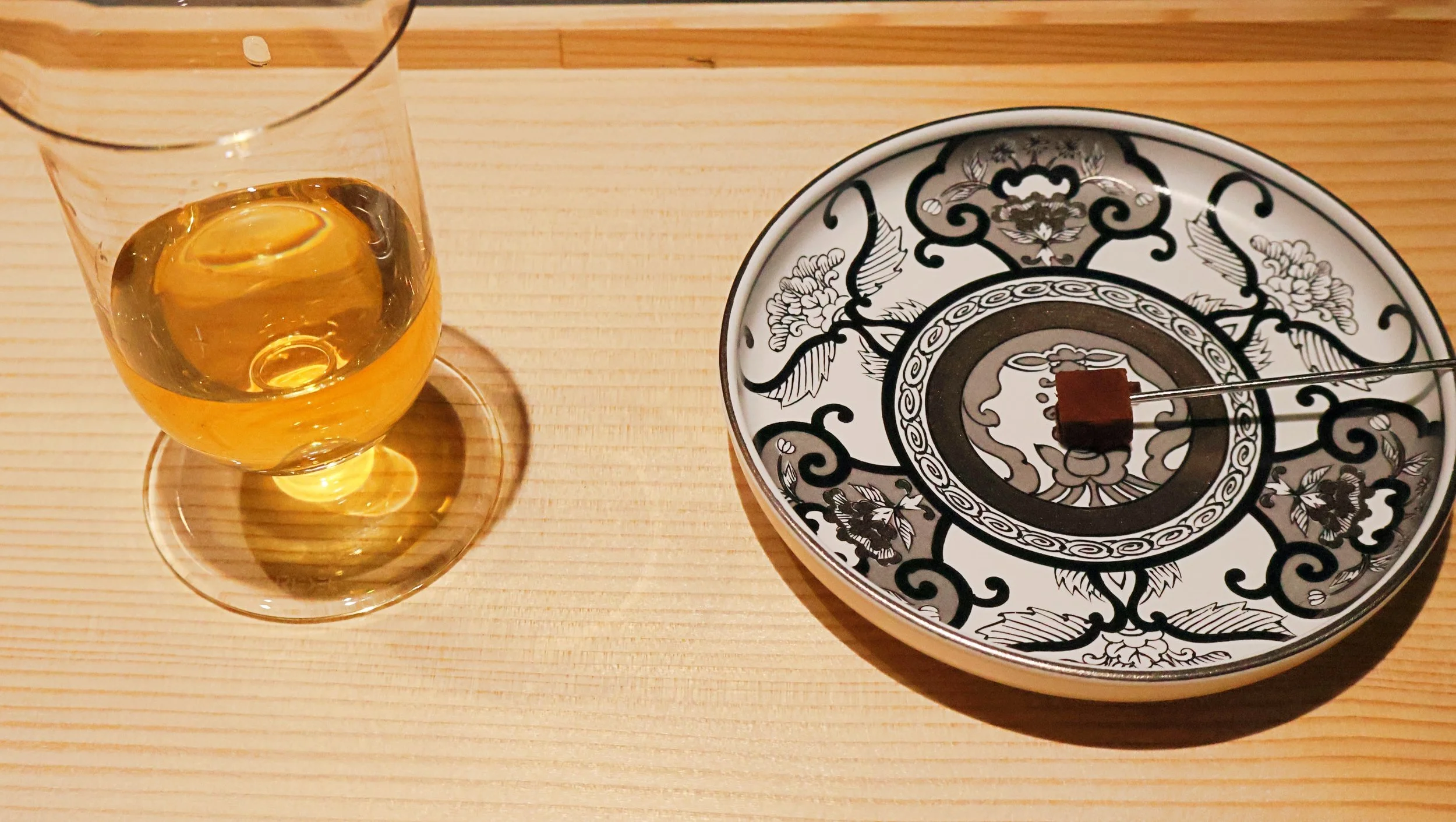
I met the raining season during the time I went, so the outdoor event was shifted to tea gastronomyexperience in the hot spring hotel Wataya Besso (和多屋別庄). The tea gastronomy course presenting five of the farm's own teas. There are almost no sweets, no food to distract. The tea is the subject. Each of the five is prepared to extract maximum expression of its processing and cultivar. It runs about 80 minutes and leaves you more articulate about Japanese tea than most people who have been drinking it for decades.
After dark, 副島園 the BAR opens at 20:00, set within a sake-lacquered wood interior at Wataya Besso. The bar serves tea-based cocktails — tea beer, hojicha highball, tea umeshu, cold tea sake — made by someone who grew the ingredient.
ONE DAY IS ENOUGH FOR THE ESSENTIALS — BUT BOOK TWO
If you have only one day, make two stops non-negotiable.
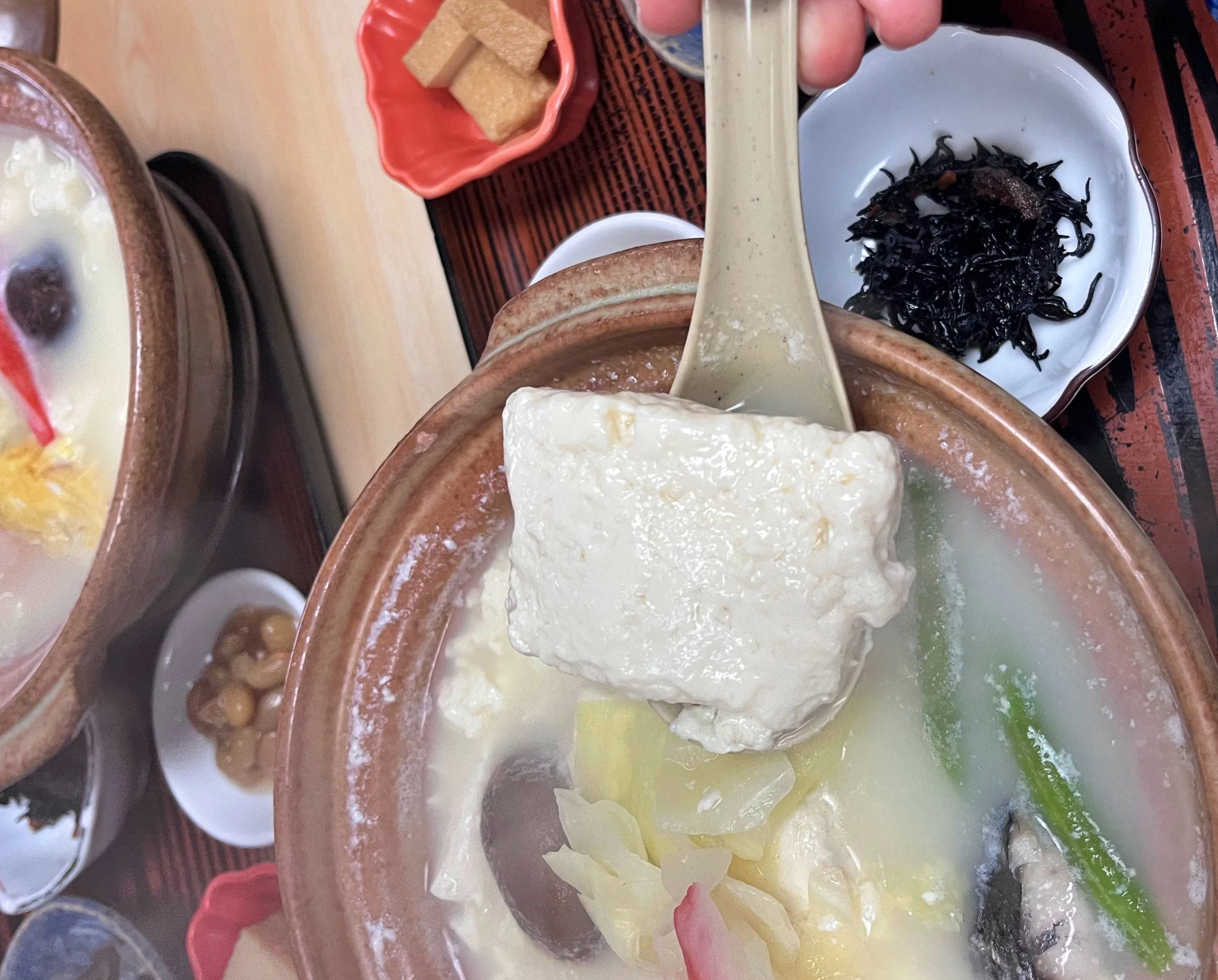
Onsen yudofu. Local sake is also recommended.
Onsen Yudofu — hot spring tofu — is Ureshino's other miracle. When tofu is simmered slowly in the town's spring water, the alkaline mineral composition breaks down the tofu's protein, transforming it into something trembling, silken, halfway between solid and broth. The water turns the colour of soy milk. It is the simplest dish you will eat in Japan, and one of the most memorable. The restaurant Sōan Yokochō claims originator status. It is very popular by tourists, so better be there earlier than the restaurant opens.
the Siebold's Bath public bathhouse — シーボルトの湯 — is a two-storey Gothic Revival wooden building in Taisho-era style, named for the German physician Philipp Franz von Siebold who analyzed Ureshino's spring water during his 1812 journey to Edo. It is public. It costs a few hundred yen. And it is, quietly, one of the most historically grounded bathing experiences in Kyushu — the same water Siebold described in his travel notes, in a building styled to invoke the era when foreigners first understood what Ureshino had always known.
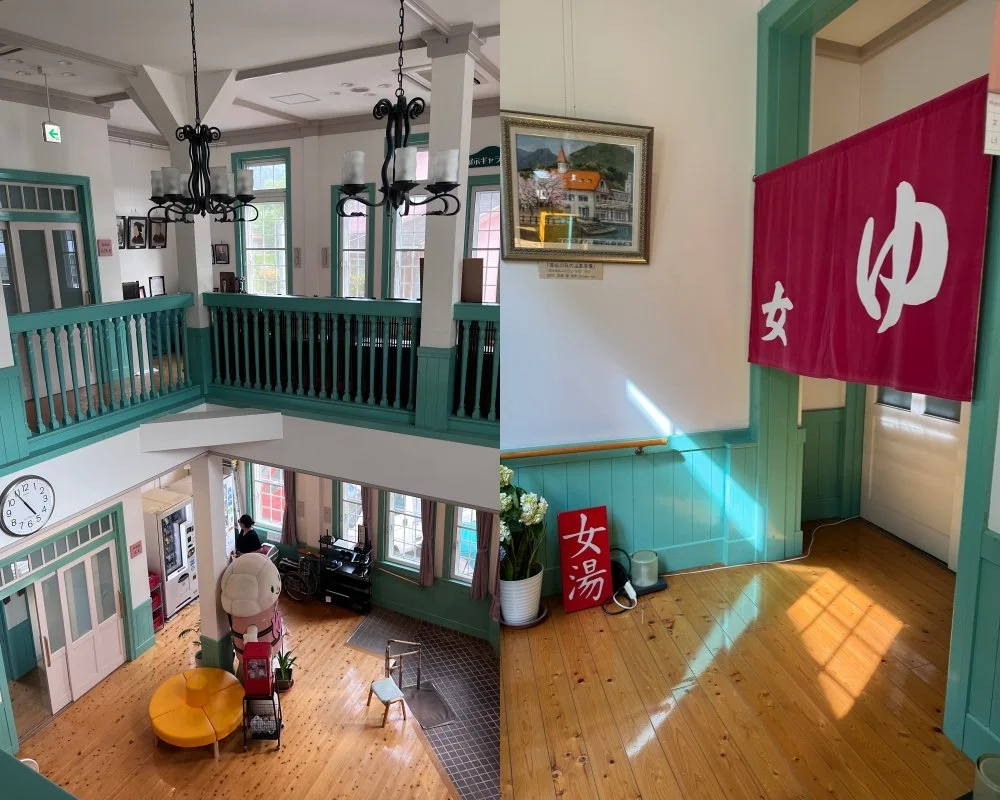
Gothic Revival wooden building in Taisho-era style is outstanding in Ureshino. You may find the lunch to order here too.
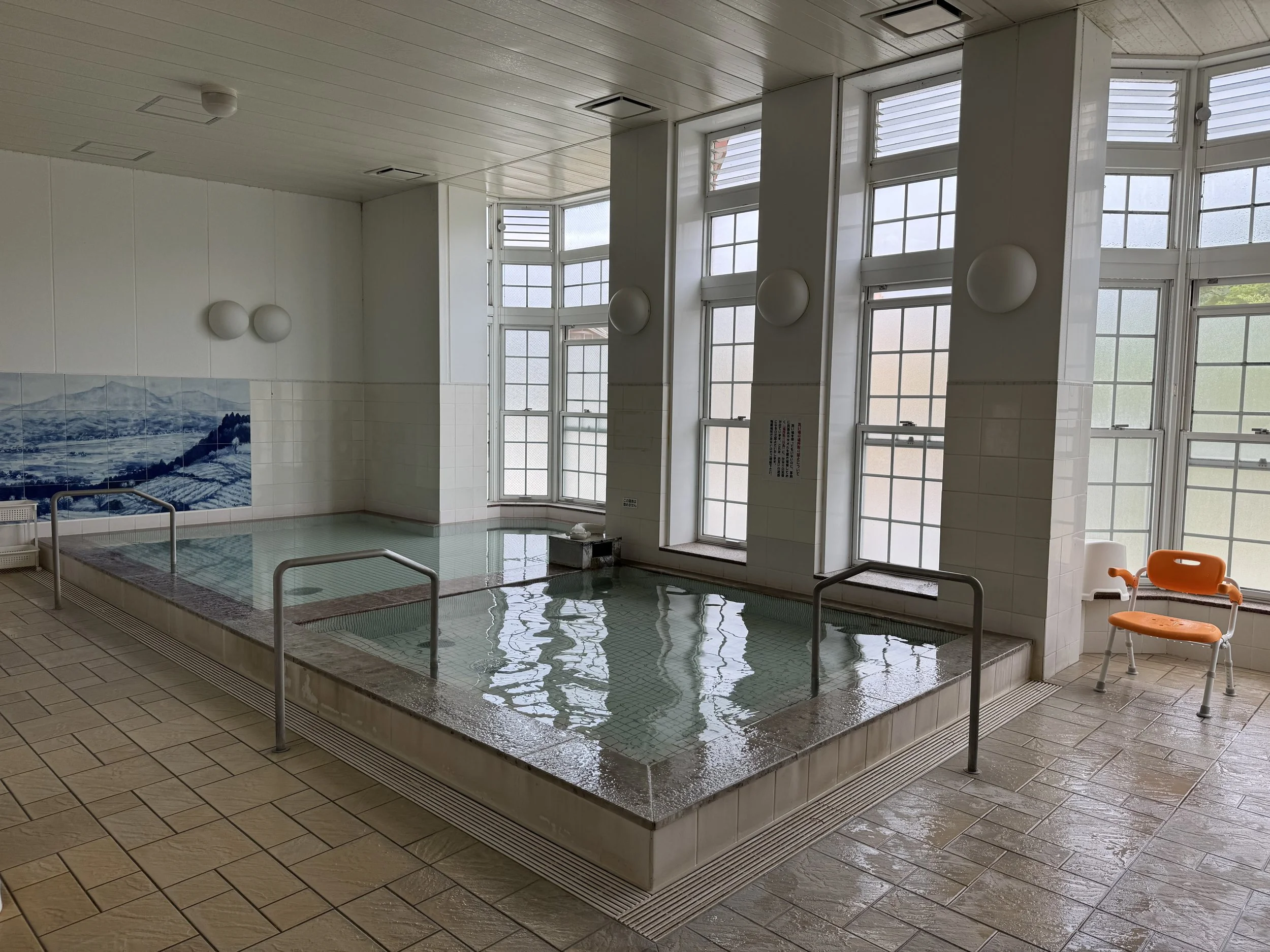
Inside of the Siebold's Bath. New and clean.
Q&A
How do I get to Ureshino from Hakata (from Fukuoka)?
→➀ Highway bus from Hakata Bus Terminal (博多バスターミナル) to Ureshino Onsen Bus Center, a journey of approximately 100 minutes
→ ➁ JR Nagasaki Main Line from Hakata to “Takeo Onsen” Station, then transfer to a local bus toward Ureshino — total journey around 90 to 100 minutes.What is Ureshino tea and how is it different from other Japanese green teas?
→ The history of Ureshino tea can date back to 1440 when Chinese immigrants introduced tea farming to the region. Its defining characteristic is the kamairicha processing method — pan-fired rather than steamed — which produces a mellow, lightly roasted, rounded flavour profile distinct from the grassy, vegetal character of Shizuoka sencha or the umami-forward depth of Kyoto gyokuro. Ureshino tea is sometimes called guri-cha for the curved, comma-shaped appearance of its leaves. In 2025, Ureshino tea farmers won ministerial prizes in two categories at Japan's National Tea Competition, marking the seventh consecutive year of national recognition.Is Ureshino suitable for international travellers who don't speak Japanese?
→ Ureshino is increasingly accessible to non-Japanese speakers. The Tea Tourism project at Soejima-en conducts experiences in Japanese, though bookings can be made via their website and some English communication is possible. Wataya Besso ryokan has English-language guest services. However, there were no staffs could serve me in English during my tea gastronomy experience (not sure if now the service improved).
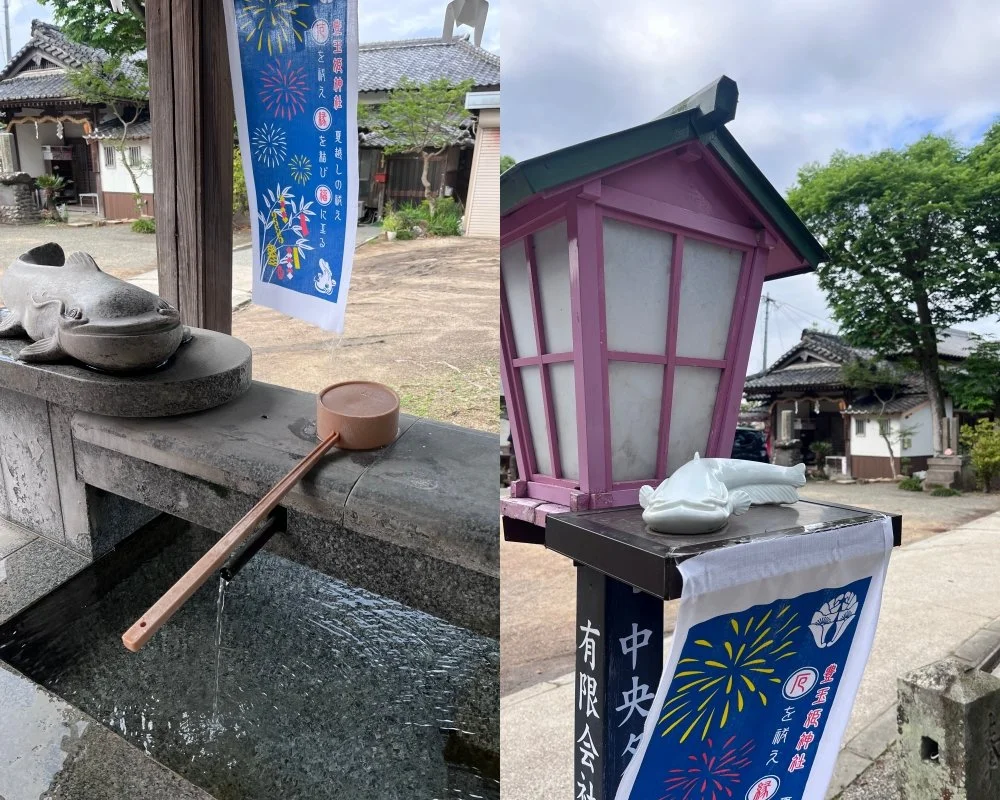
Namazusha, the catfish is the sacred messenger of Toyotama-hime — goddess of the sea, daughter of the ocean deity Watatsumi, said to possess extraordinary beauty and to govern the blessings of water. If you pray for beauty, the ritual is simple: ladle hot spring water over the catfish, make your wish for clear skin, bow twice.
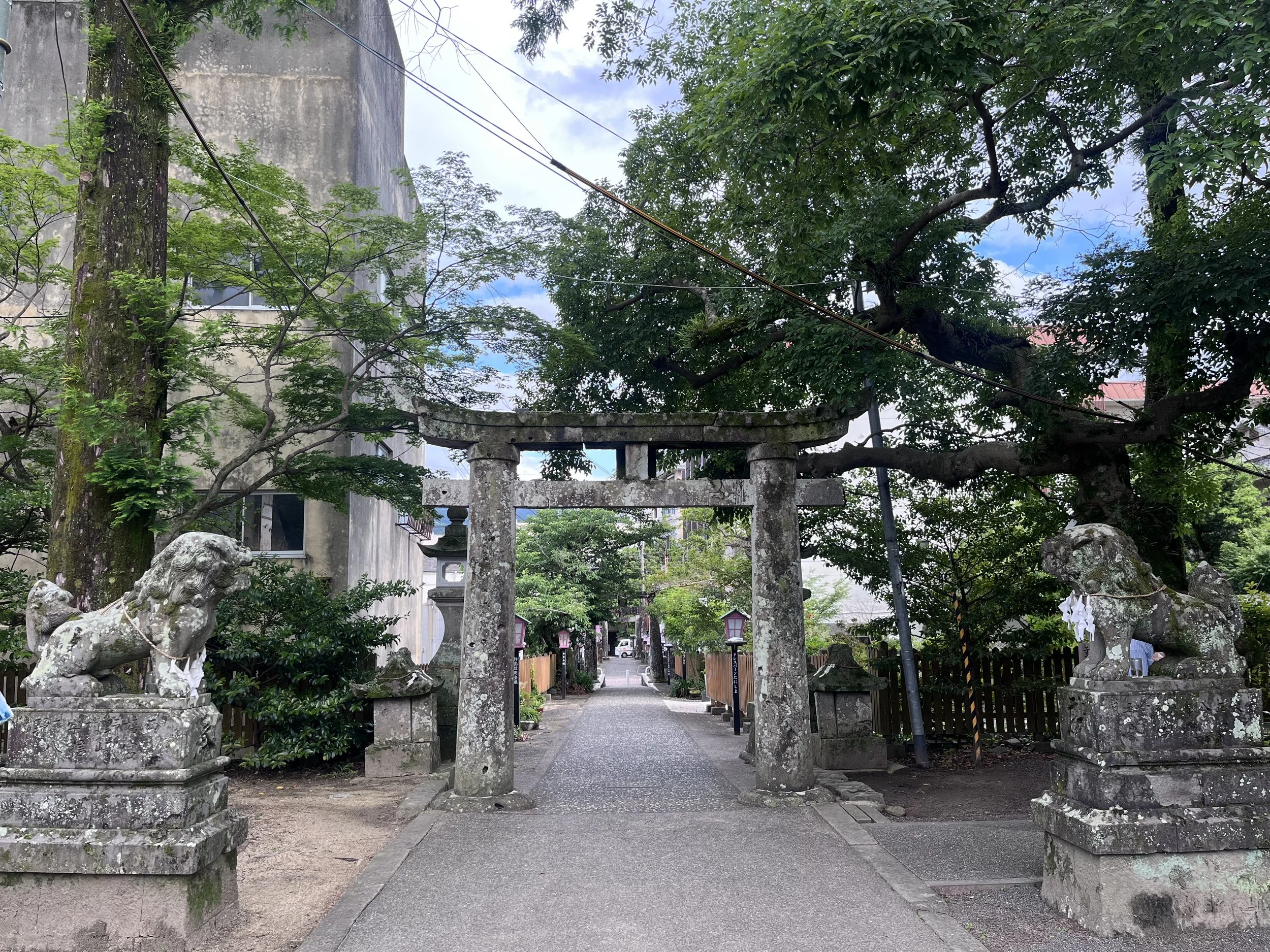
Toyotama-hime Shrine (豊玉姫神社) is known as the presiding deity of Japan's three great skin-beautifying springs.
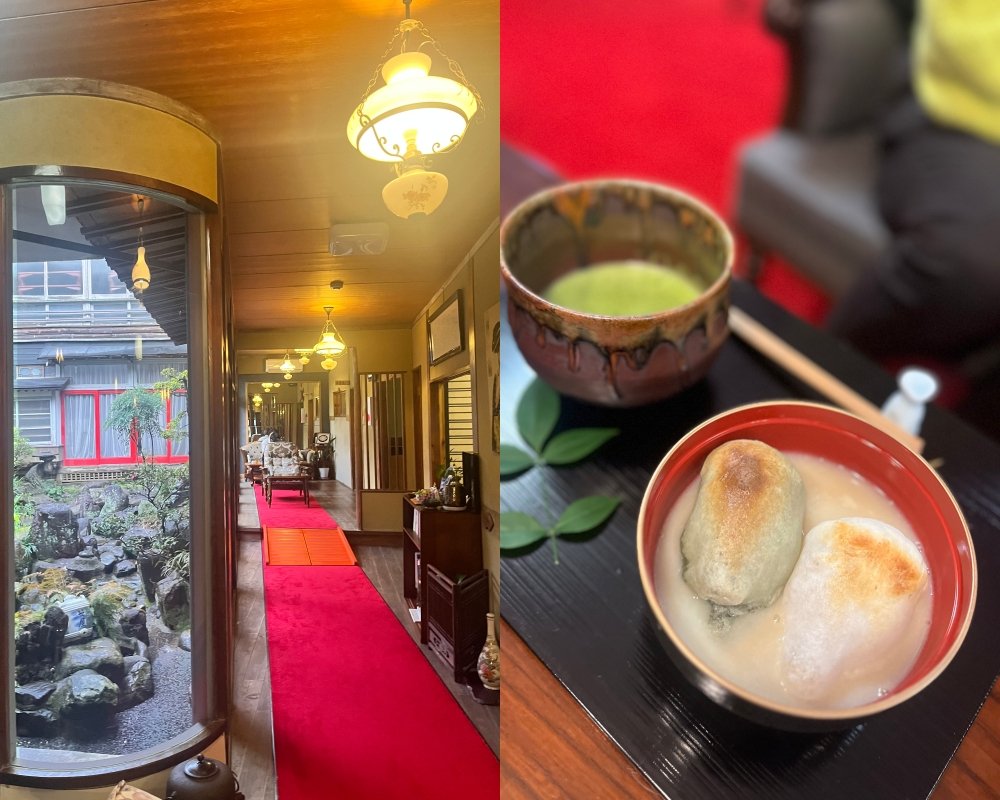
Nakashima Bikouen is alternative recommendation for tea. Founded for more than 100 years, the old fashioned style and tea set are easy to enjoy.
Written & Photography by: The T Scout 2026© All rights reserved.
