Japan・SABOE Okayama
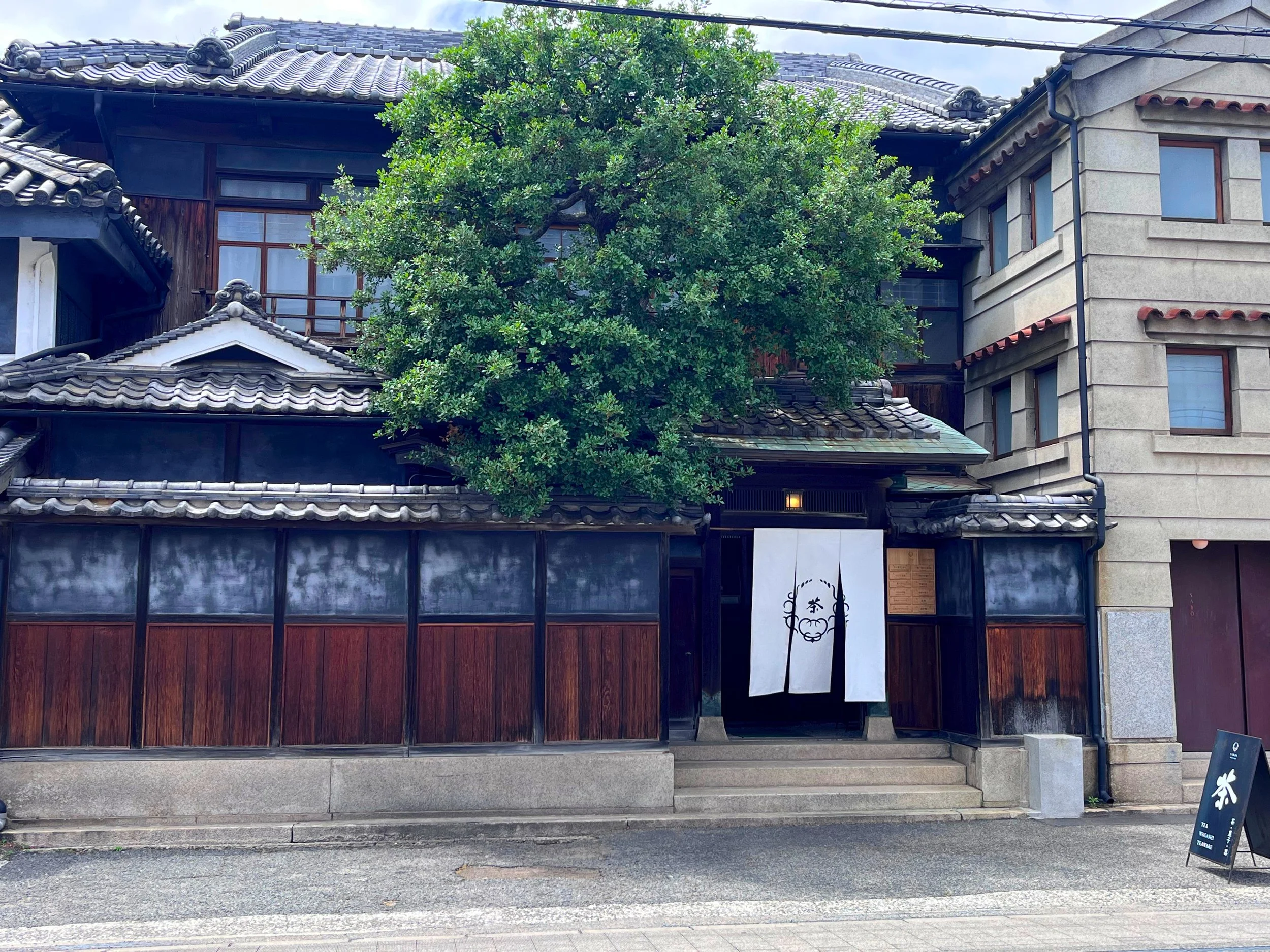
SABOE Okayama, opened in 2024 Nov.
My first encounter with SABOE was at their flagship store in Tokyo, which opened in 2024. The focus is on gift-worthy tea, and what left the strongest impression was their packaging: a biodegradable, heat-resistant paper vessel that, turned upside down, resembles a bell jar — and right-side up, becomes a lidded bowl you can actually drink from. You could feel the brand's clear ambition to bring Japanese tea to the world. They have since expanded to urban areas near notable tea-producing regions across Japan: Kyoto (Uji tea), Hakata (Yame tea), and Okayama (Mimasaka tea).
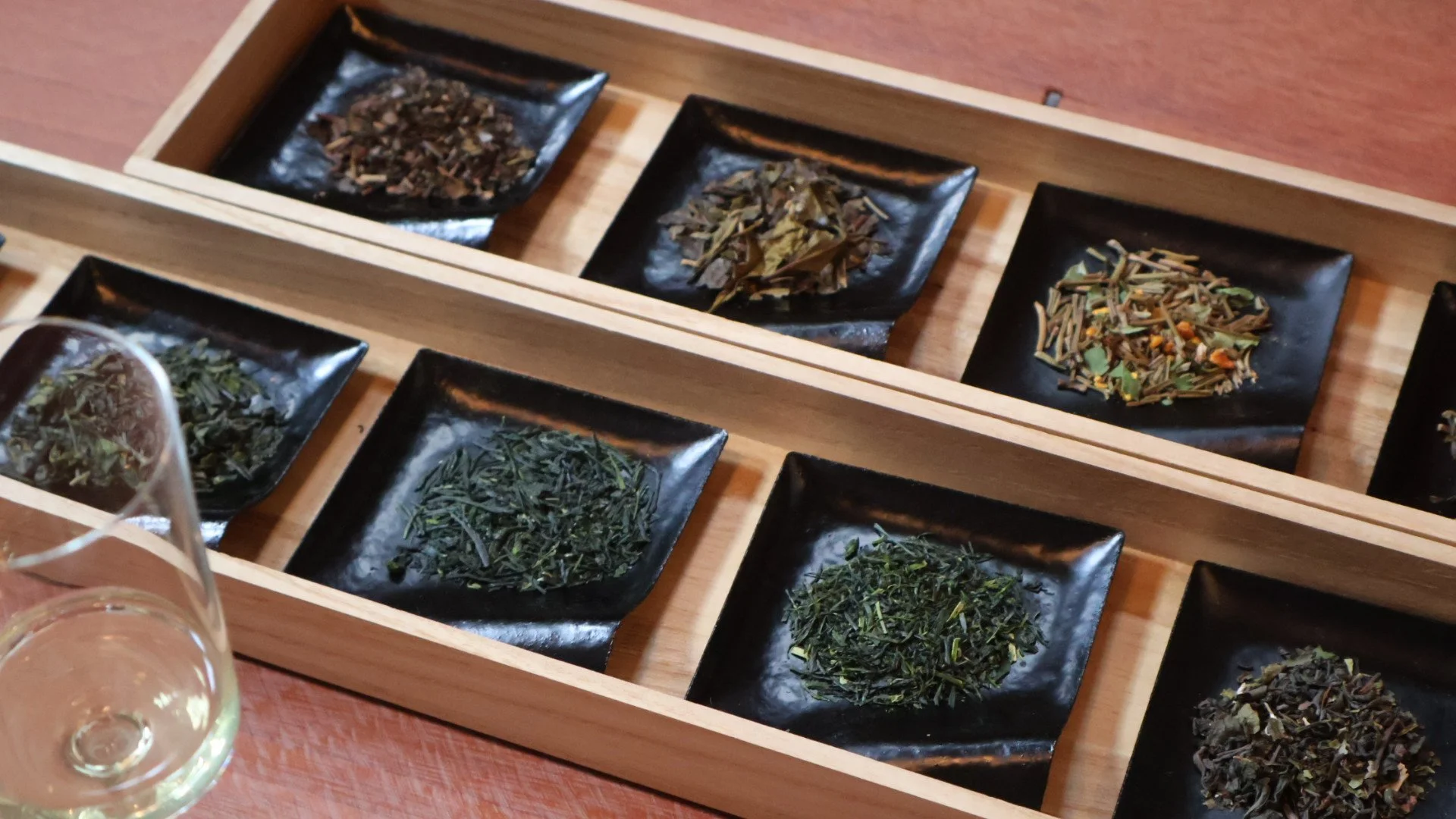
SABOE offers visitors from overseas an excellent experience for Japanese tea.
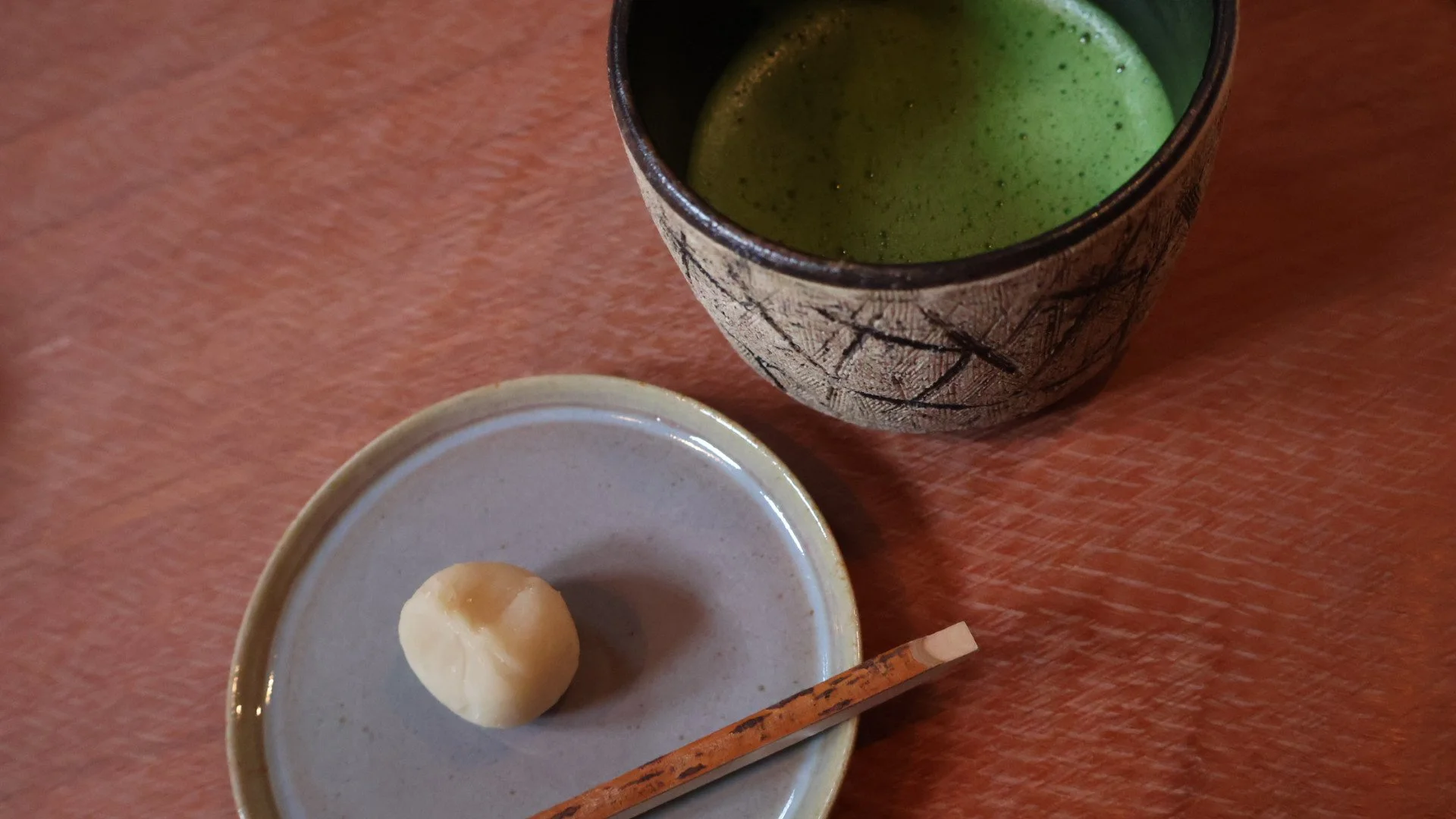
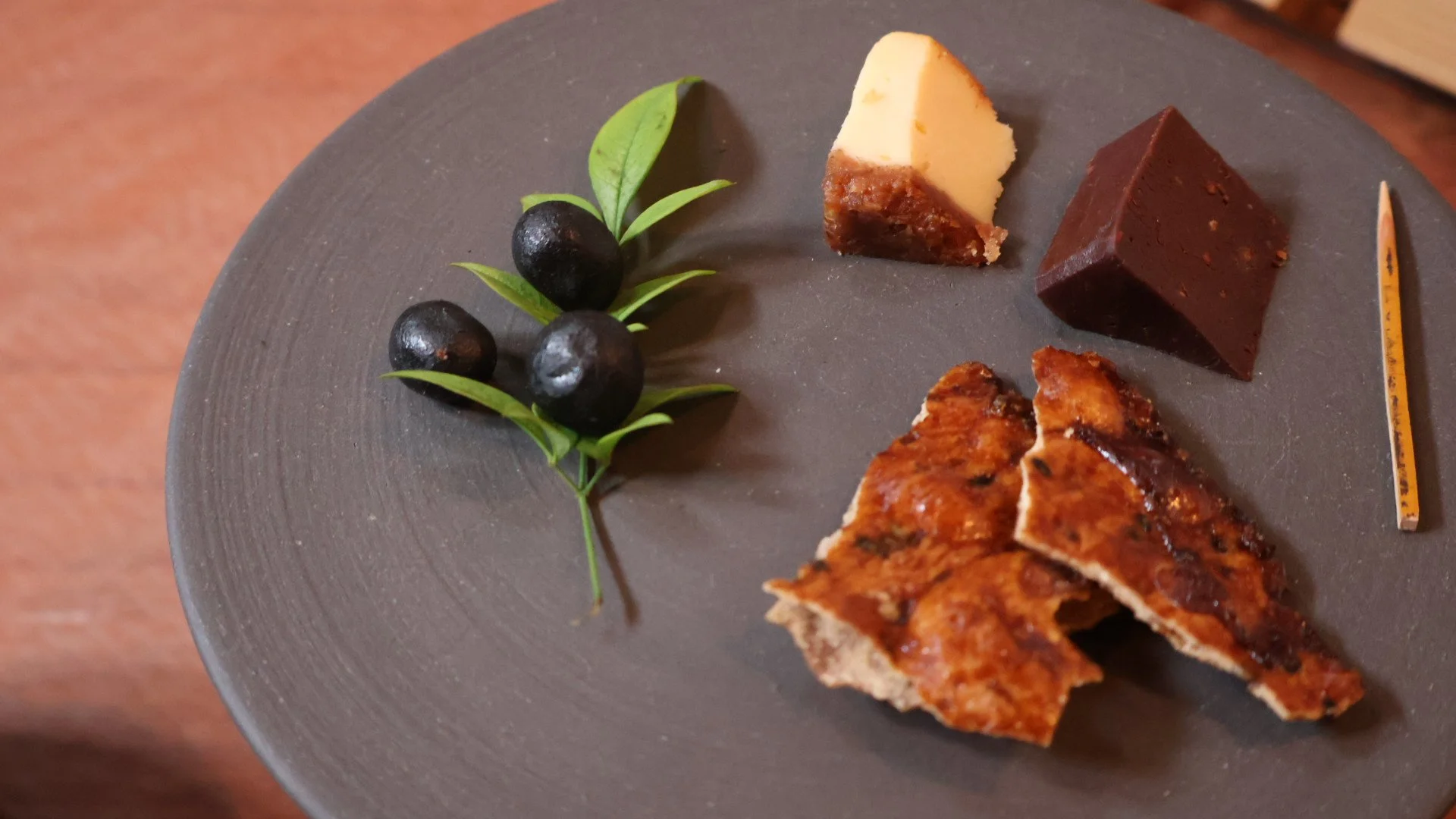
On this trip, I made a point of visiting the Okayama store — the most interesting expression of their localization philosophy. The space is a converted old Fukuoka soy sauce factory, purchased by a local entrepreneur, part of which became the Fukuoka Shoyu Gallery, with the rest welcoming SABOE as a tenant. The two share a perspective: both are culturally minded, and together they use tea to tell Okayama's story.
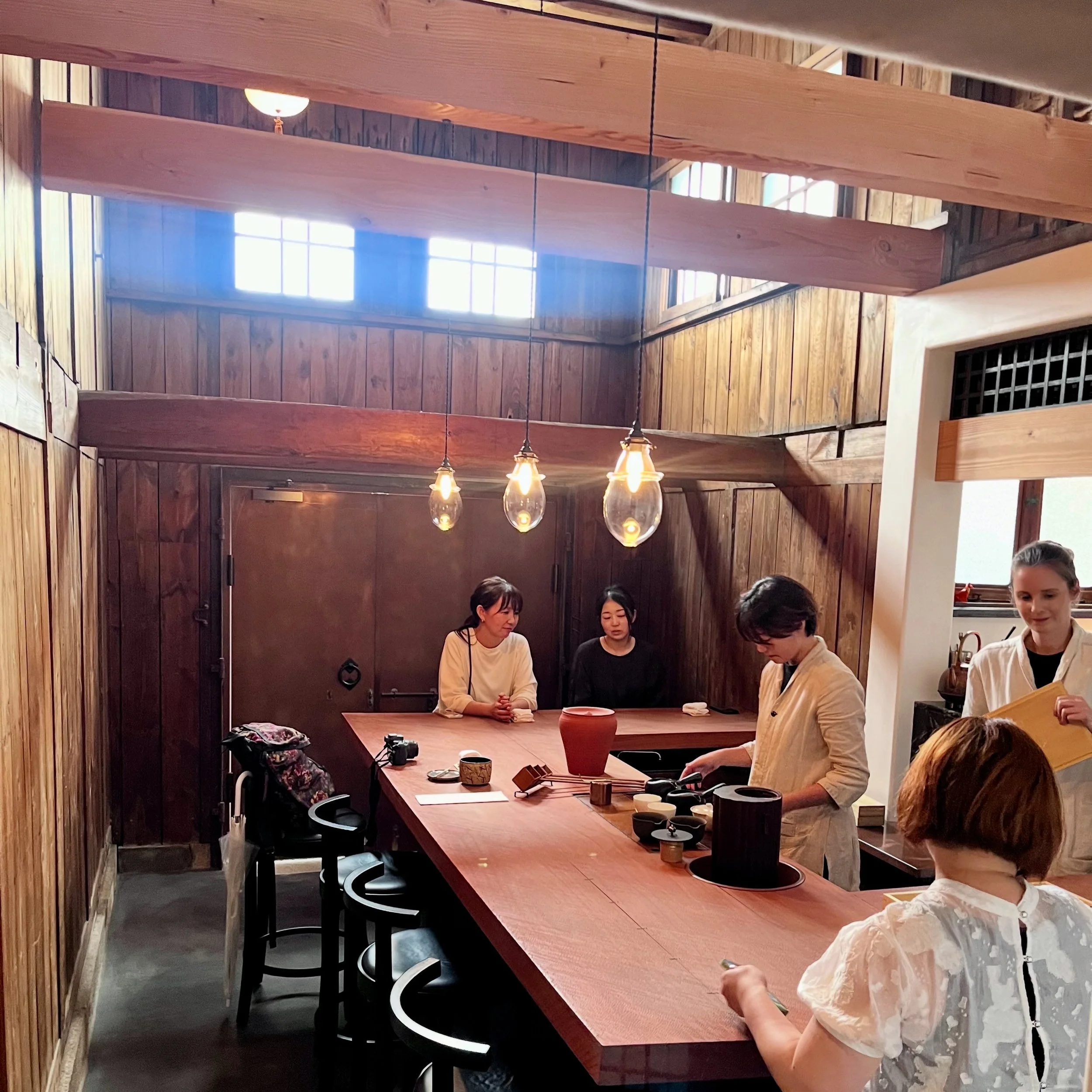
Okayama isn't a famous tea-producing region in Japan, but that's precisely what opened the door to a deeper collaboration between SABOE and their growers. They invited Keijiro Shimoyama — a farmer of competition-winning caliber — to serve guests in the tearoom. How accomplished is he? His Mimasaka Bancha was selected as the welcoming tea for His Majesty the Emperor at the 2005 National Sports Festival, and he has received multiple awards including the Okayama Prefecture Governor's Prize. That said, Shimoyama-san tends to his tea fields during the day; he only receives guests in person on Thursday, Friday, and Saturday evenings.
According to Discover Japan, SABOE's curator explained that inviting a tea farmer into the tearoom was meaningful because "by standing here and interacting with customers, he can incorporate their feedback into his own growing practices. This may become one of the catalysts that changes the mindset of tea farmers across the country." They also noted: "Shimoyama may be a newcomer to hospitality, but he understands more deeply than anyone the most essential, fundamental point — how to communicate tea to people. That is also a great source of inspiration for the other staff."
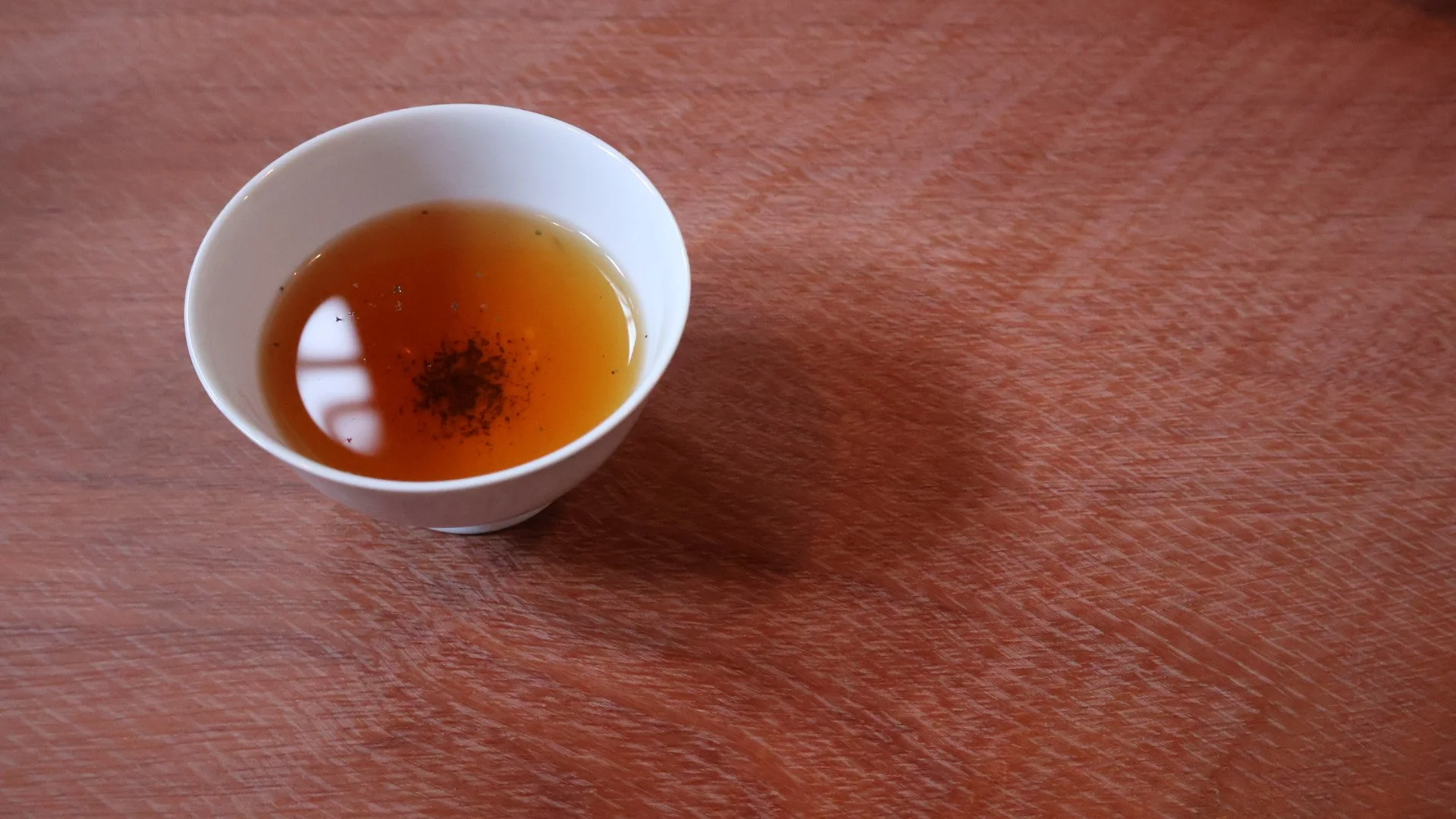
I didn't get to meet him this time, but I found my own pleasures. Working that day were Anniko, a Hungarian woman fluent in Japanese, and a Gen Z Japanese girl fluent in English. Their eyes lit up the moment tea came into the conversation. We talked about what we loved in Japanese, Taiwanese, and Chinese teas — and in that small world, tea moved between us and became the only language we needed.
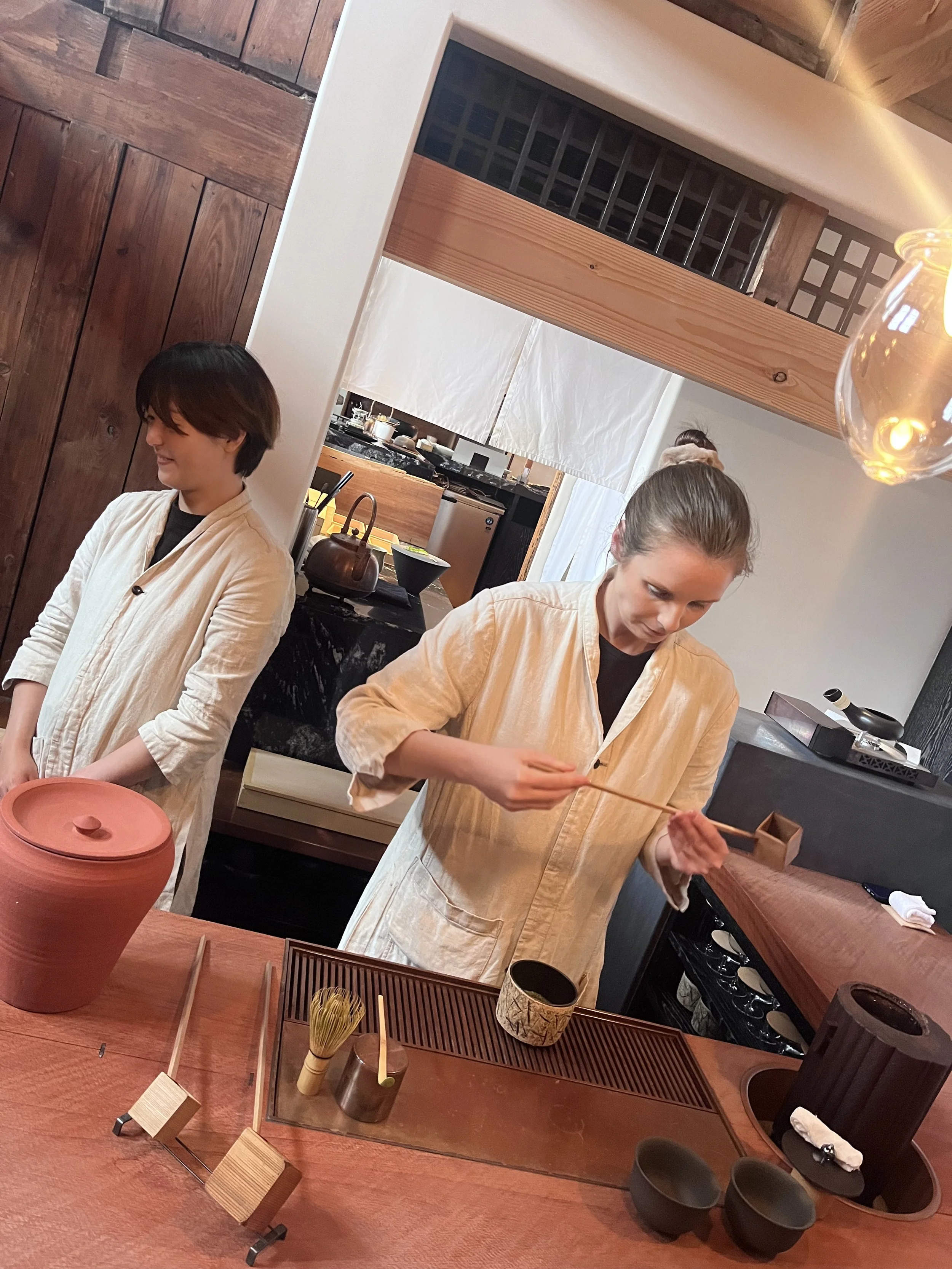
The best afternoon tea time with these two lovely ladies:)
As I drank, I noticed that their logic of pairing tea with food reminded me of Sakurai Roasted Tea Experience, named by CNN as Tokyo's most worthwhile tearoom. When I asked, I discovered that Sakurai is actually a director and advisor at SABOE. So SABOE is perhaps worth thinking of as an accessible alternative for those who can't secure a reservation at Sakurai — which is notoriously hard to book.
As for whether SABOE's tea is good: I'd say it's a fascinating experience in Japanese blended tea. The Okayama store, for instance, blends Shimoyama-san's bancha with oolong cha, fig leaves and cinnamon leaves — rather than showcasing a single varietal, it adds another layer of sensory enjoyment.
The Okayama store is only a six-minute walk from Korakuen, one of Japan's three great gardens. Well worth folding into your itinerary.
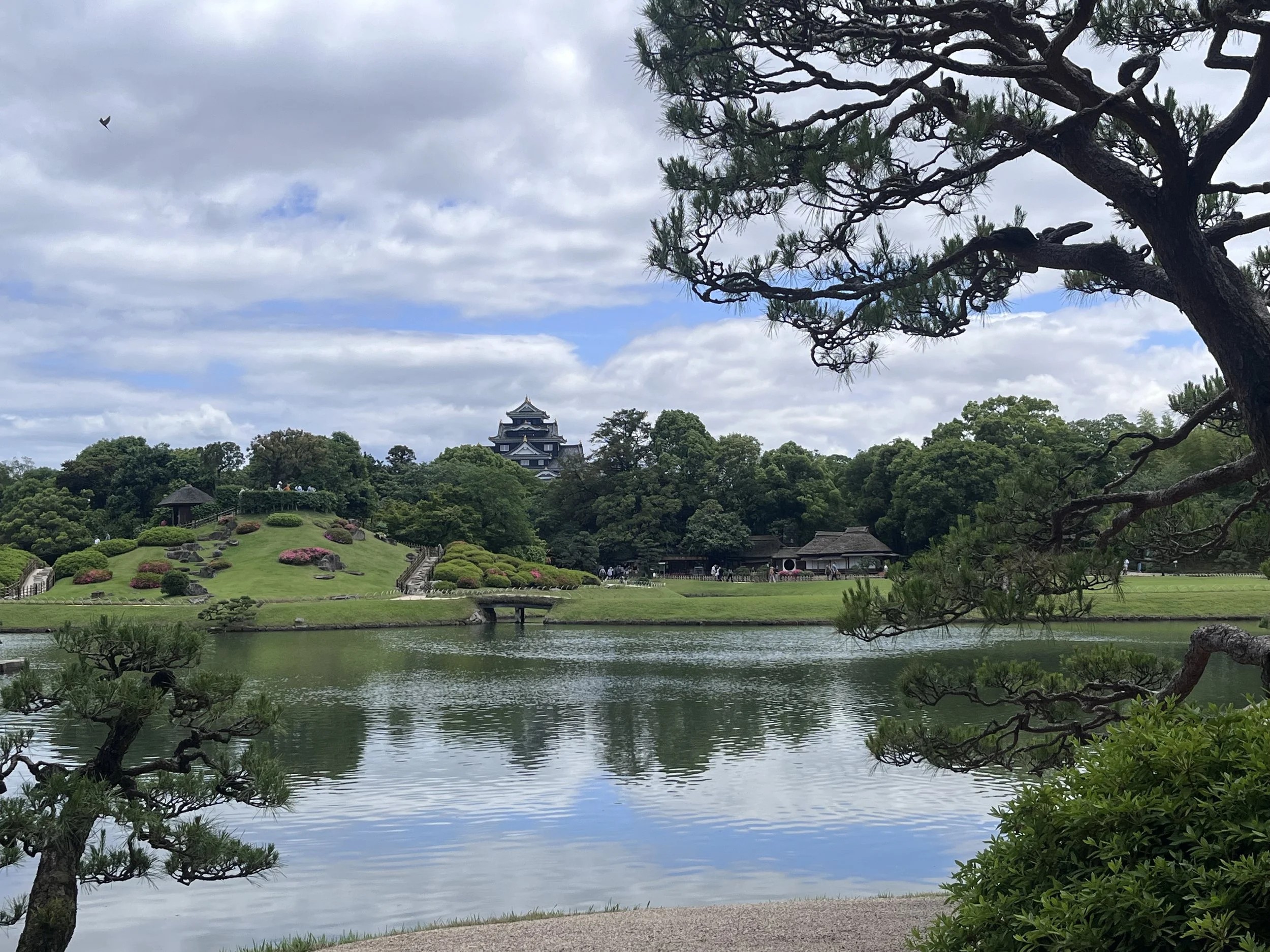
The Okayama store is only a six-minute walk from Korakuen, one of Japan's three great gardens.
FAQ
Who is SABOE for?
→ Anyone curious about Japanese tea without the formality of traditional ceremony; people who enjoy good food and easy conversation; solo travelers looking for two hours of quality time.What does a SABOE experience cost?
→ A full one-serve, one-brew session is ¥5,500. Individual tea orders are around ¥1,500.Is SABOE English friendly?
→ Since their market target is foreign visitors, all the staffs are English available!What type of tea can I buy from SABOE?
→ Mostly blended tea bags. Sometime there would be sencha or gyokuro of the year.
Written & Photography by: The T Scout 2026© All rights reserved.
