Sun Moon Lake・Private Tea Ceremony
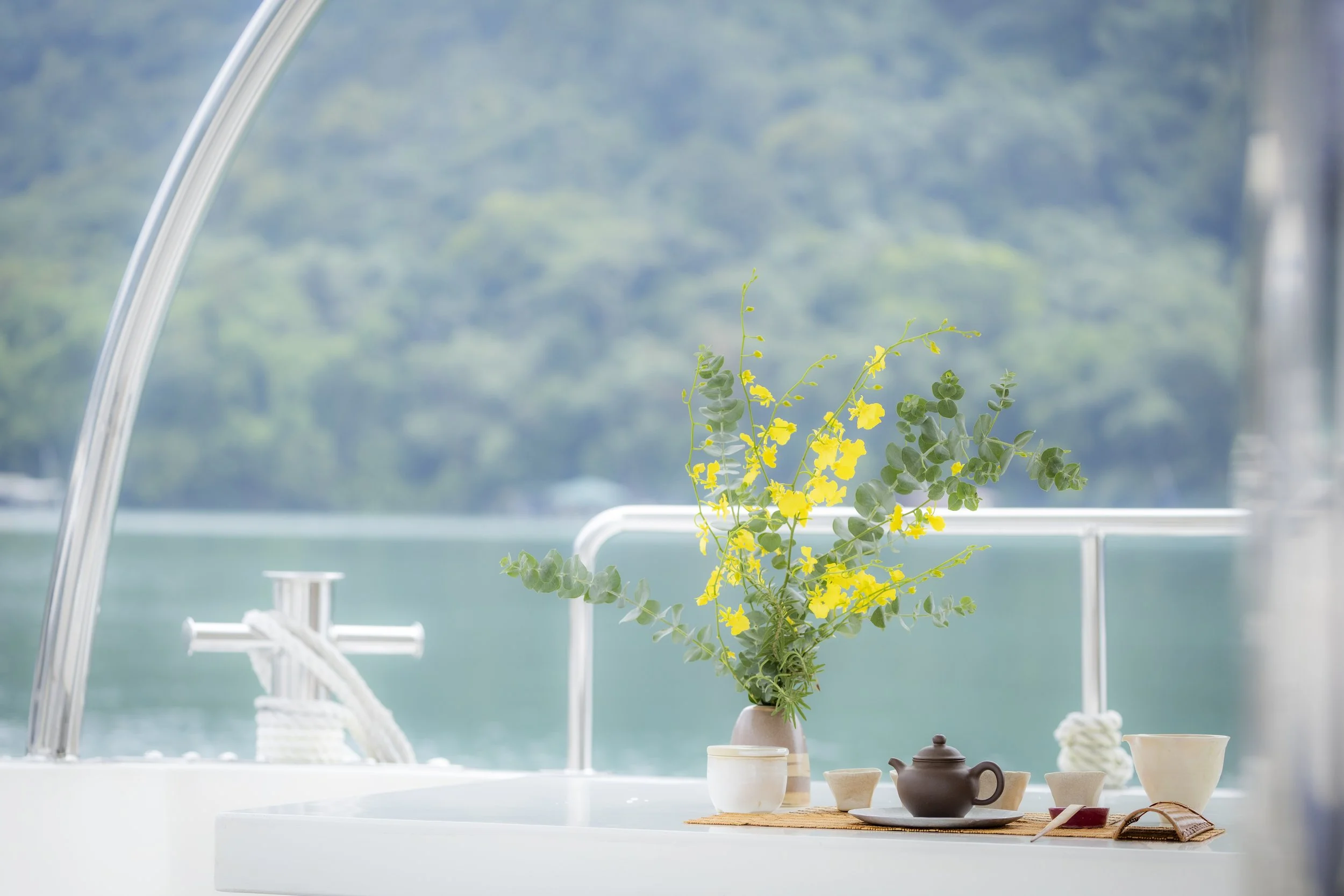
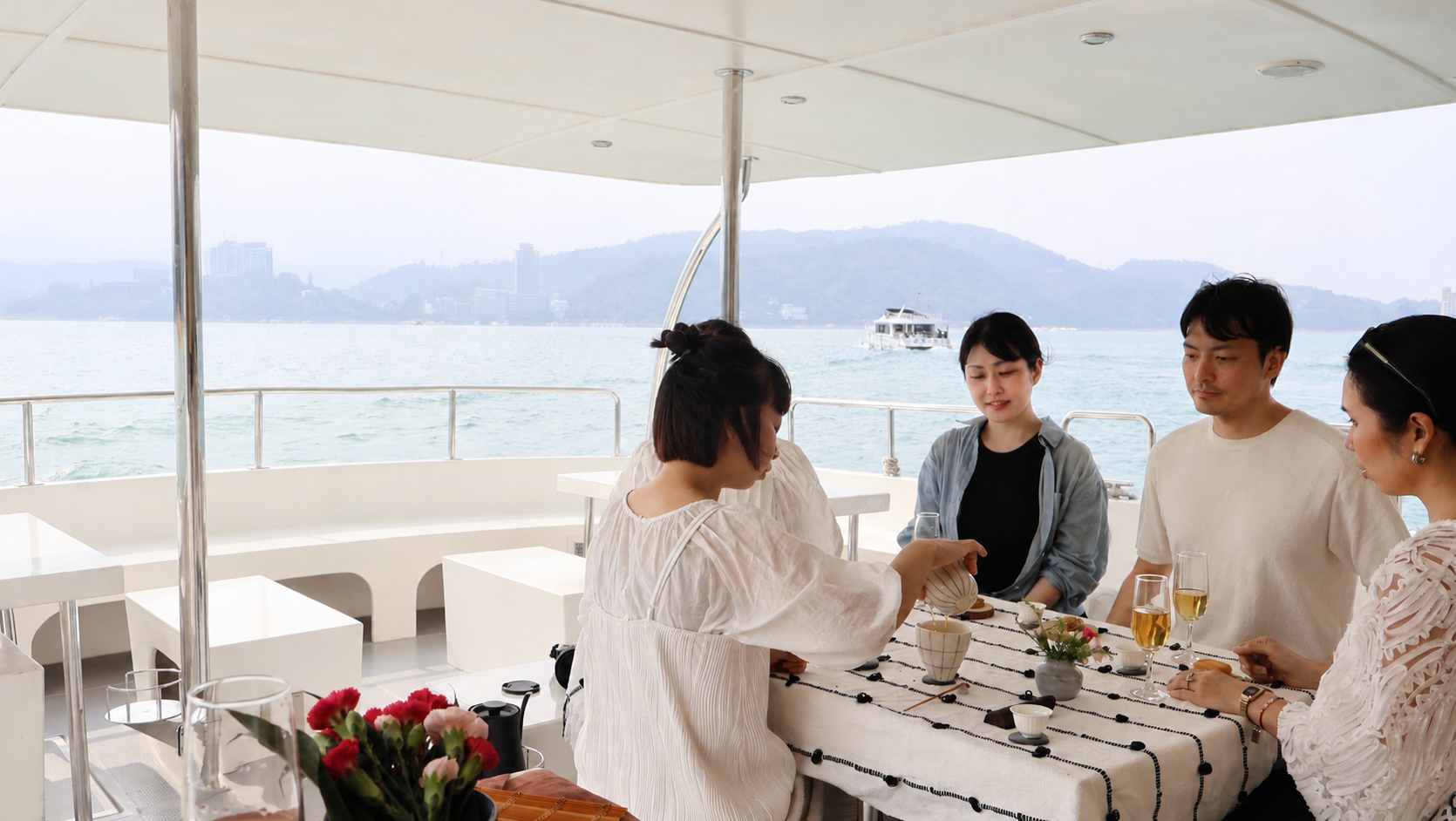
A private E-boat tea ceremony on Sun Moon Lake offers an uncrowded alternative to the lakeside crowds,
paired with Sun Moon Lake's signature Assam black tea.
There is a moment on Sun Moon Lake when the boat cuts its engine and the world goes quiet. No traffic, no crowds — just the soft lap of water against the hull, steam rising from a clay teapot, and mountains dissolving into mist on every side. For most visitors, this is the moment Taiwan stops being a destination and starts becoming a memory.
Sun Moon Lake is one of Taiwan's four great scenic wonders. Two of its three signature offerings — tea eggs, ruby-red black tea, and coffee — involve tea. That is no coincidence. One hundred years ago, Japanese colonial agronomists planted the island's first Assam cultivars on these very slopes, opening Taiwan's red tea chapter and changing its agricultural story forever.

Sun Moon Lake · Private E-Boat Tea Ceremony
A 2.5-hour private tea session on a silent electric boat on Sun Moon Lake, hosted by an English-speaking tea practitioner.
Two teas, one self-brew experience, seasonal snacks, and a shore stop at Xuanzang Temple.
Arranged by The T Scout in collaboration with 朝霧紅茶 (Chaoyu Red Tea), a third-generation local tea producer.
Min. 4 guests · English-speaking host · From USD $205 per person
Book this experience → hello@thetscout.com

The Family Behind the Boat
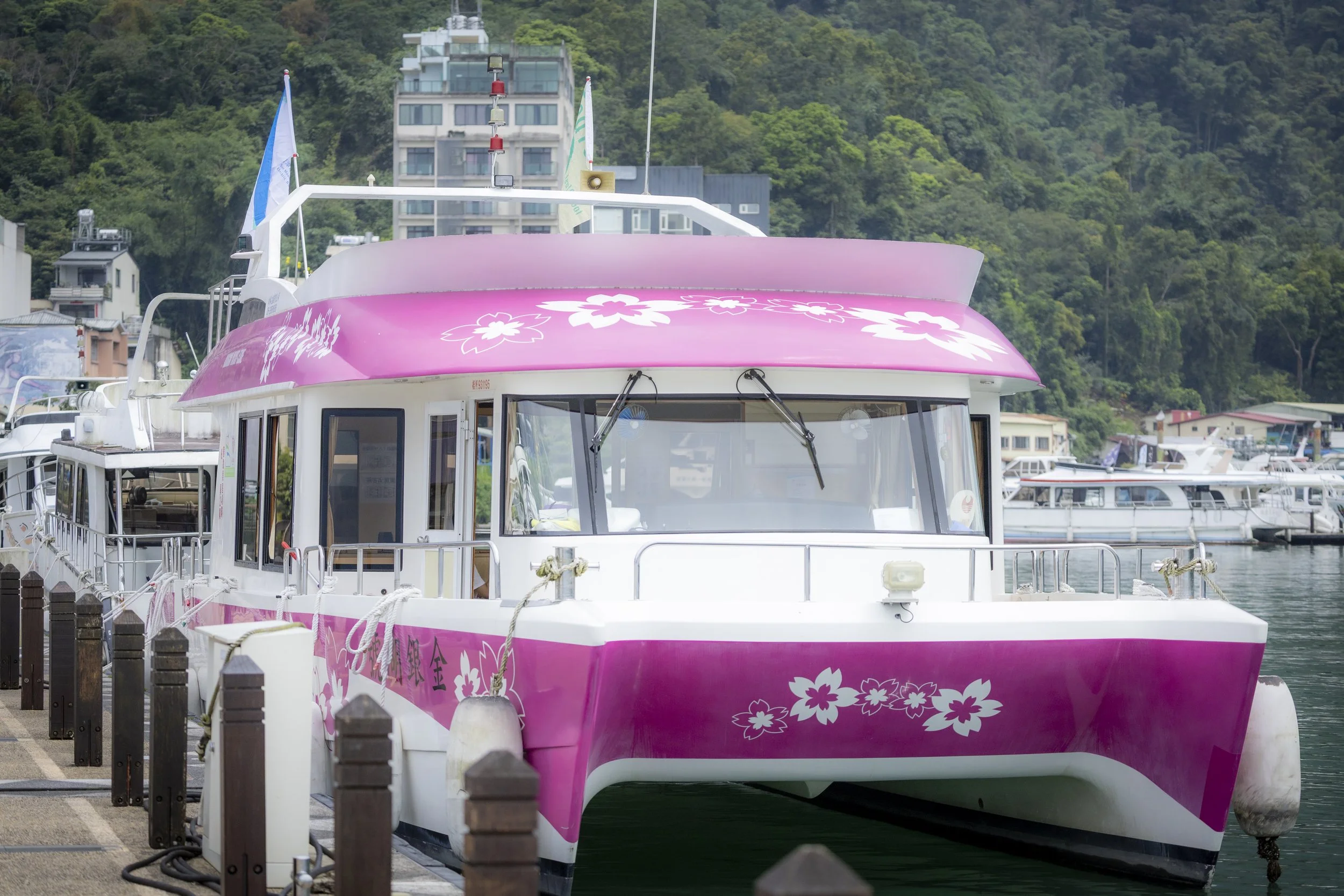
The electric boat belongs to Chaoyu Red Tea (朝霧紅茶), a farm now in its third generation. After the devastating 1999 earthquake, the second-generation farmer tore out his betel nut trees and replanted with Ruby — Taiwan Tea No. 18, a cross between local wild tea and Burmese Assam. Deeply aromatic, with natural notes of cinnamon and mint, Ruby became the family's defining cultivar. He committed to natural farming and hand-picking, the slower way his grandfather had always known.
His daughter Ruby — who carries her grandfather's name — runs the farm's tasting room today, crafting tea drinks, red tea soft-serve, and delicate pastries. But what weighed on her was the electric boat sitting idle at the dock: a beautiful vessel with no story attached to it, no experience worthy of the lake it crossed.
What’s the 2.5 hrs about?
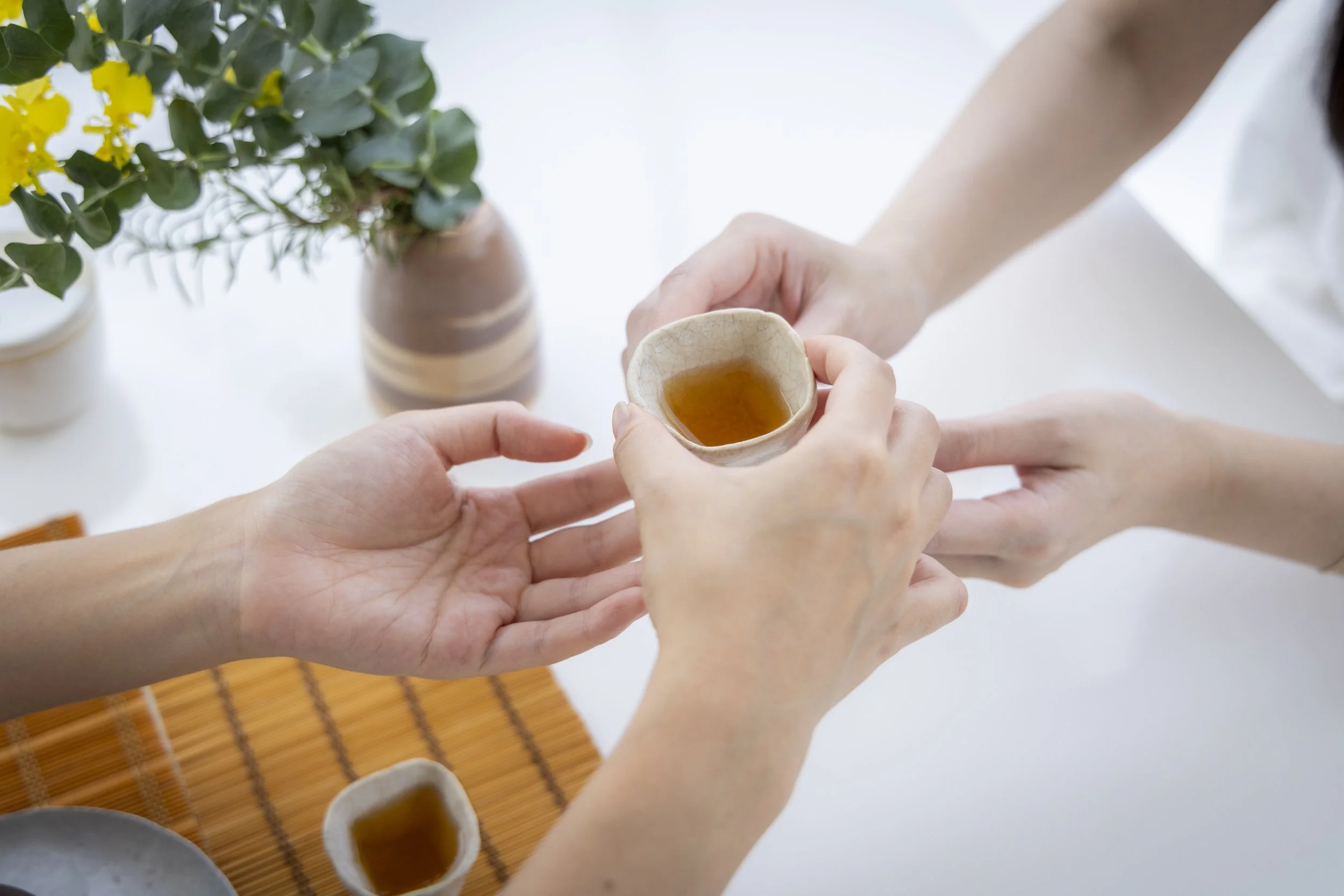
On board, a professional tea practitioner has prepared at least 2 locally sourced teas — selections that shift with the season and harvest.
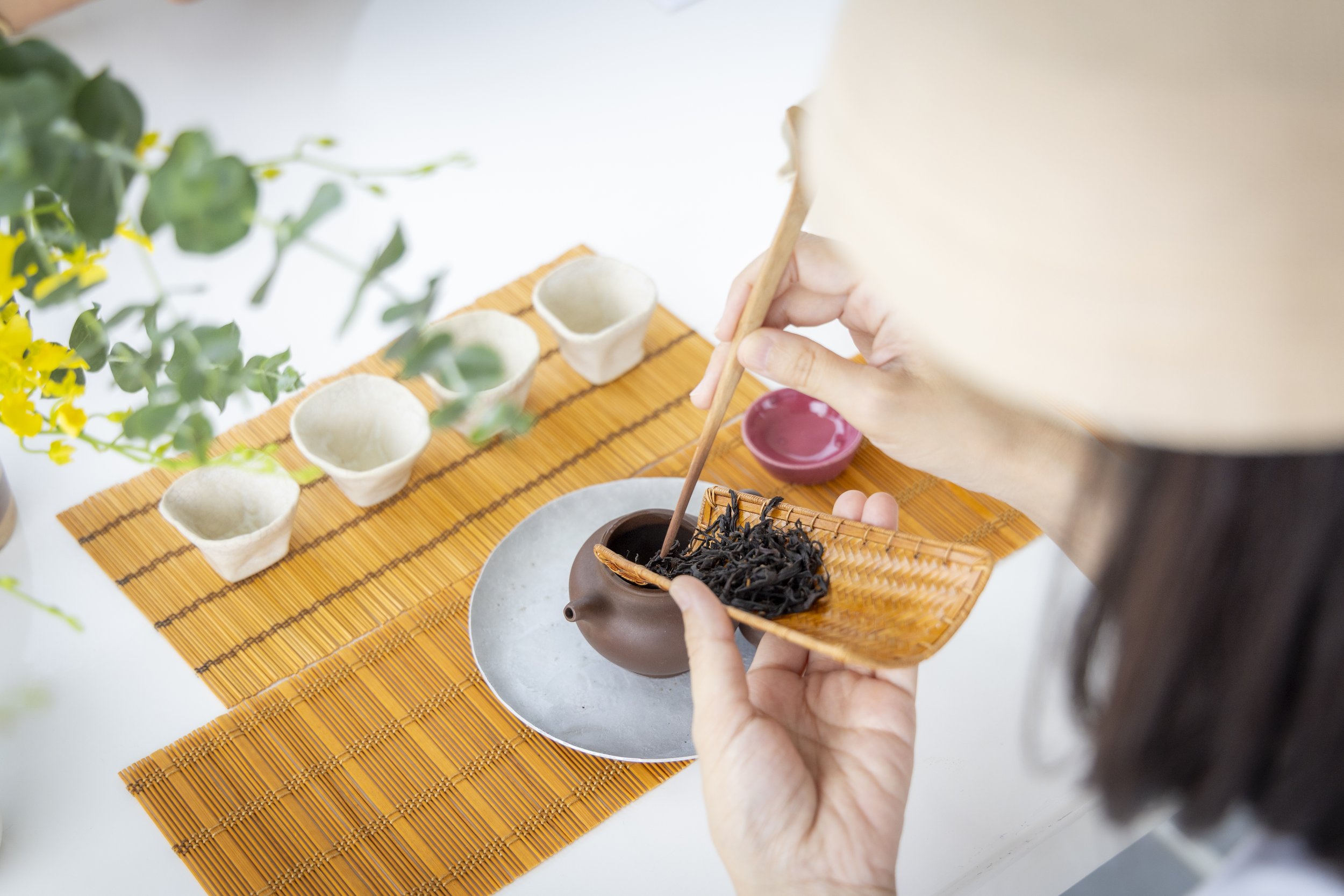
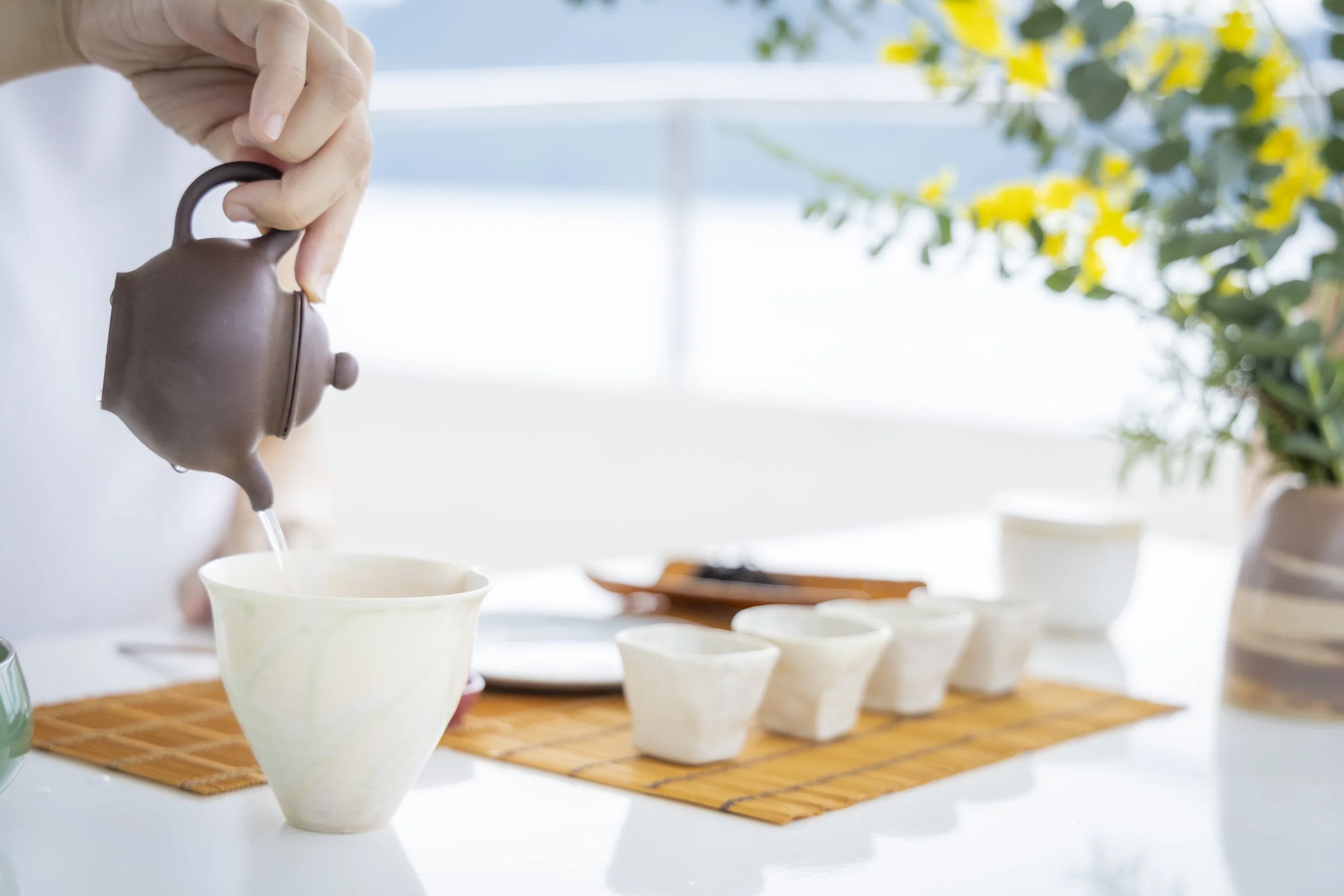
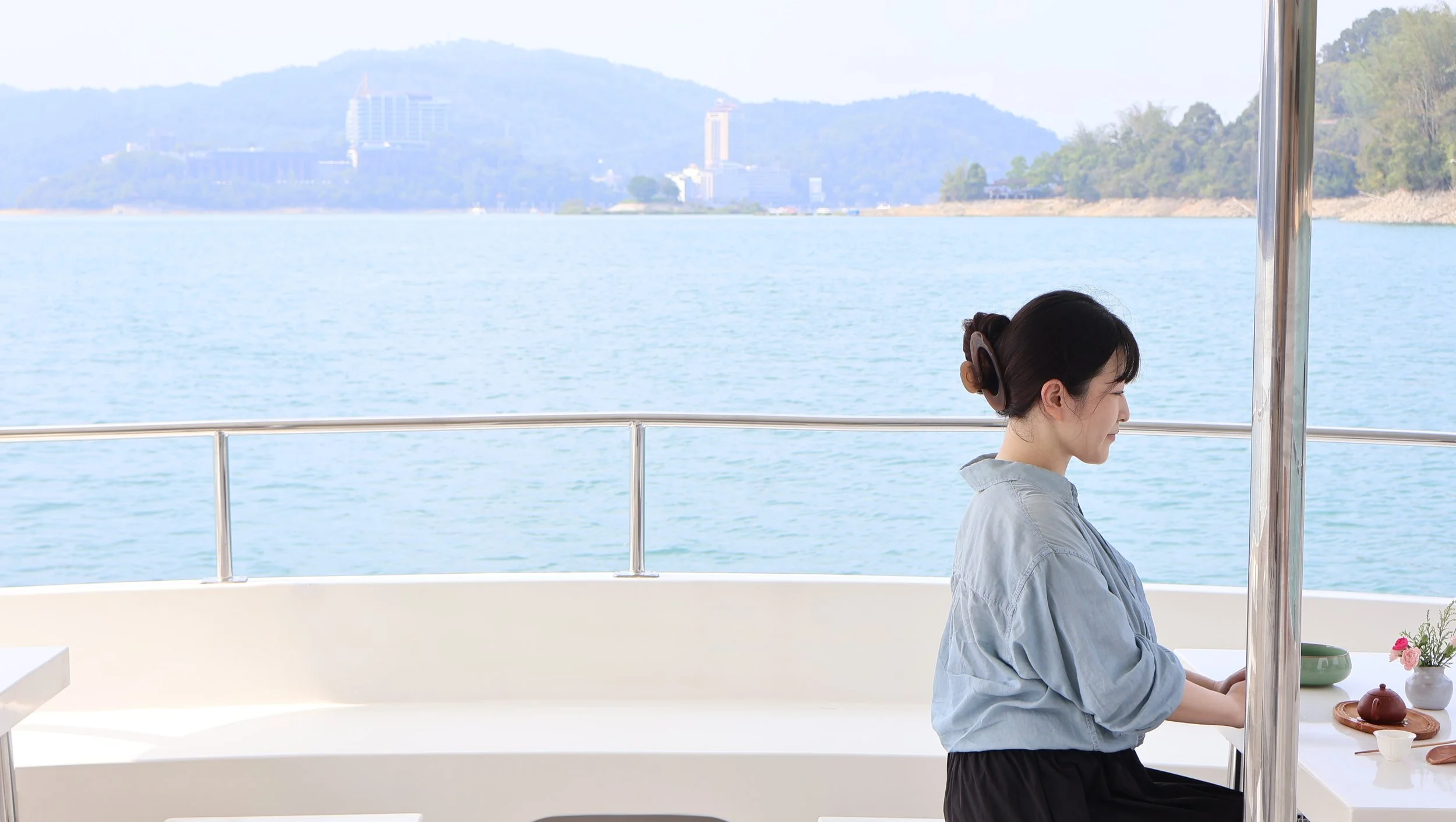
Guests may experience gong-fu tea by themselves. With the lake stretched out behind them and the boat sitting perfectly still, they learn to hold attention — how much leaf, how long to steep, how to read the colour as it deepens.
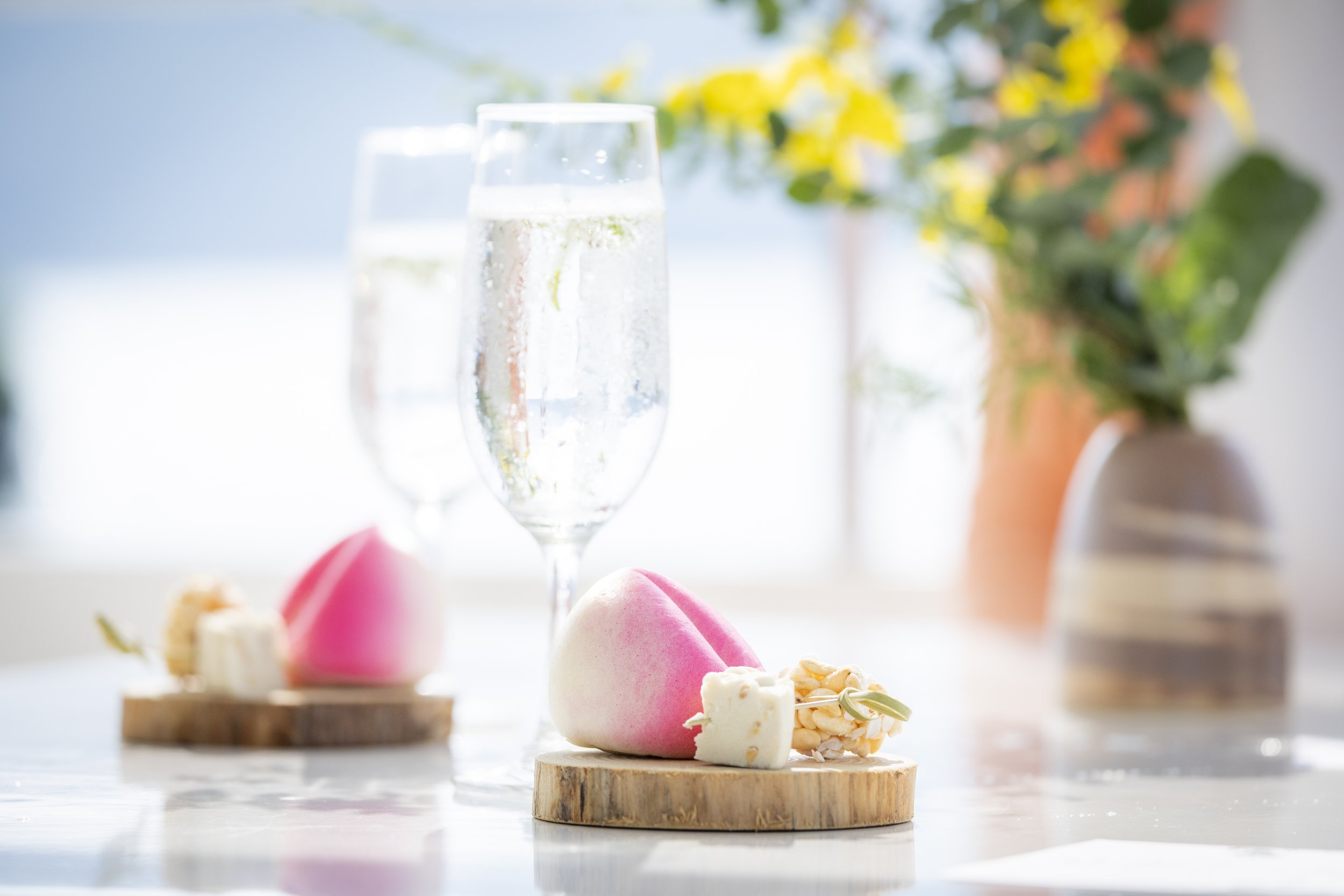
A shore stop at Xuanzang Temple. Local snacks prepared for your return.
A decent gathering only with your group of people. Enjoy the lake view from the lake.
A Stop at Xuanzang Temple
The boat makes one shore excursion, pulling up beneath the hillside path leading to Xuanzang Temple (玄奘寺). The temple enshrines a relic of the Tang Dynasty monk Xuanzang — the historical figure behind Journey to the West — whose remains were taken from Nanjing during the Second Sino-Japanese War and received at Sun Moon Lake in 1955. The temple was completed in 1965 on a site that classical geomancy identifies as qīnglóng xì zhū, the Azure Dragon Playing with a Pearl — considered among the most auspicious of formations. Guests walk the stone path up, breathe the incense-cool air, and return to the boat carrying something harder to name than sightseeing.
A Hundred Years of Red Tea
In the 1920s, Japanese researchers identified Sun Moon Lake's highlands as ideal Assam terrain — the altitude, rainfall, and temperature variation mirroring India's great tea regions. Plantations were established, and by the 1930s, Sun Moon Lake red tea was being exported under Japanese commercial oversight. After 1945, the state-run Taiwan Tea Research Station continued developing the region's cultivars, eventually releasing Taiwan Tea No. 18 in 1999. Its extraordinary cinnamon-mint character — found in no other tea on earth — gave Sun Moon Lake a flavour signature that cannot be replicated elsewhere. Today, farms ranging from large commercial operations to small family plots like Chaoyu each express the same terroir through their own particular relationship with the land.
-
At least 2 Sun Moon Lake teas, selected by season. Ruby (Taiwan Tea No. 18) — with its natural cinnamon and mint character — is typically the anchor tea. Cold-steeped and hot-brewed variations are included depending on conditions.
-
Contact The T Scout directly via email (hello@thetscout.com) with your preferred date and group size. Minimum 2 guests. Sessions run 10:00–12:30 or 14:00–16:30.
-
Yes. The session is designed for curious travellers, not specialists — the host explains everything in English and guides you through the self-brew portion at your own pace.
Written & Photography by: The T Scout 2026© All rights reserved.
